Introduction: Employer Branding as a B2B Demand Generation Asset
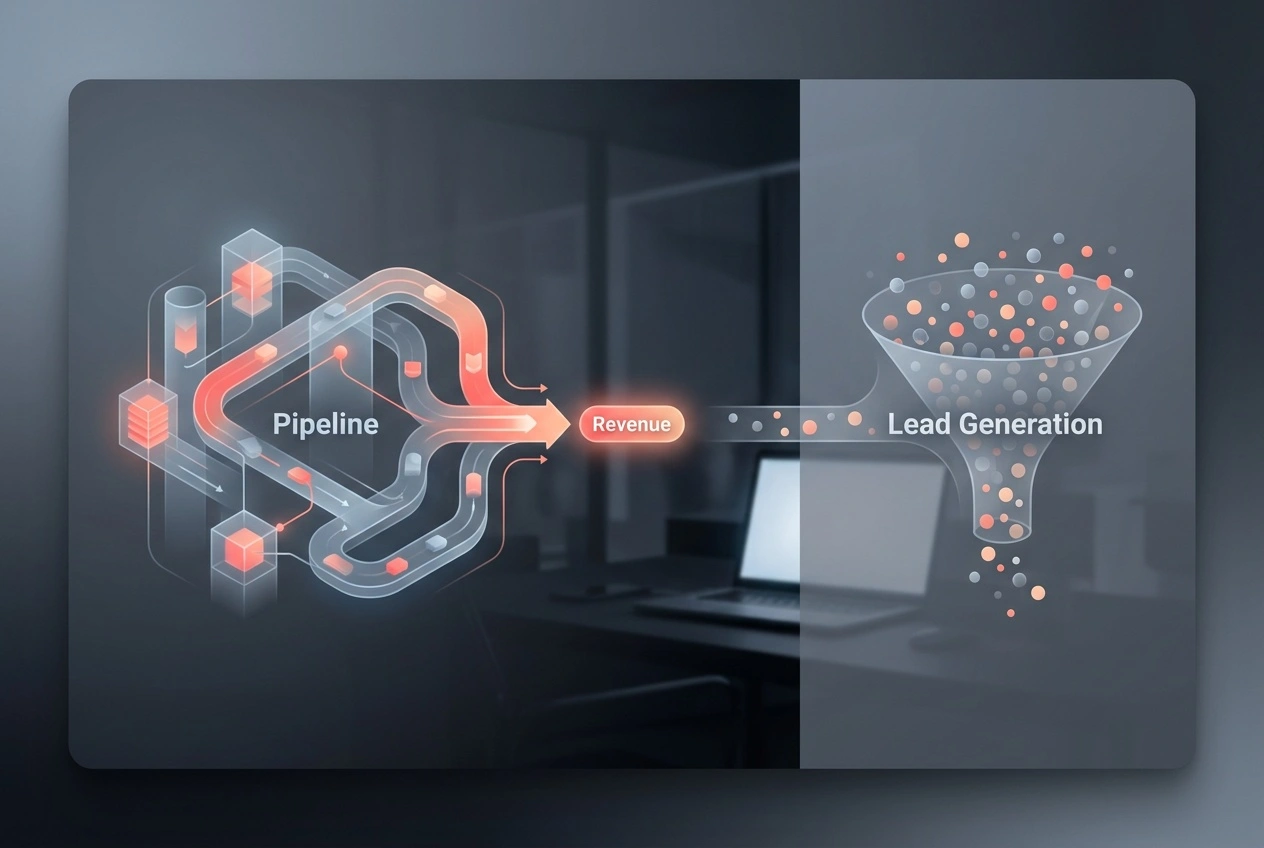
Employer branding is typically framed as a talent acquisition tool—a way to attract and retain skilled employees in competitive markets. That view is incomplete. A well-executed employer brand shapes how customers, stakeholders, and investors perceive your organization. When your team is visible, credible, and actively contributing to industry conversations, that visibility translates into trust. Trust drives pipeline.
The mechanics are straightforward. Employer branding reflects your company’s values, culture, and mission. It offers insight into the employee experience and signals operational maturity. Companies with strong employer brands see measurable improvements in qualified applicant volume, cost-per-hire, and employee engagement. These outcomes matter because they reduce friction in scaling teams and improve retention—both of which directly impact your ability to execute on growth.
Marketing teams are responsible for aligning employer branding with overall brand strategy. This includes managing communication through digital channels and running recruitment marketing campaigns that function as demand generation assets. When your engineers publish technical content, when your leadership shares operational insights, when your team participates in industry events—these activities build authority. That authority influences how B2B buyers find and evaluate brands.
Employer brand content—team spotlights, case studies featuring internal expertise, thought leadership—creates multiple entry points into your ecosystem. Prospects researching solutions encounter your people before they encounter your pitch. That early exposure builds familiarity and positions your organization as a credible partner, not just a vendor. This visibility can support stronger pipeline quality and buyer trust, creating advantages that most competitors overlook.
Defining Employer Brand and the Employee Value Proposition
Employer brand is the strategic management of your company’s reputation as an employer—encompassing the full employment experience from recruitment through offboarding. It is not an HR initiative with a marketing veneer; it is a business asset that affects hiring efficiency and buyer trust. A strong employer brand can reduce hiring costs, accelerate time-to-fill, and decrease reliance on third-party recruiters. A weak one may drive up cost-per-hire and lengthen recruitment cycles.
The core of employer branding is the Employee Value Proposition (EVP) —the explicit set of offerings, associations, and values your organization provides in exchange for employee contributions. This is not a tagline. It is a positioning framework that defines what you stand for as an employer and why someone would choose you over a competitor.
Effective EVPs are grounded in reality. They emerge from employee research—surveys, focus groups, exit interviews, and feedback from candidates who declined offers. The goal is not to craft an aspirational narrative, but to articulate what already differentiates your organization: work culture, flexibility, social impact, or career development pathways. When the EVP aligns with lived experience, it becomes a retention and referral engine. When it doesn’t, it creates churn and reputational risk on platforms like Glassdoor.
Understanding the Talent Brand and Corporate Brand Relationship
Three terms matter here, and they’re interconnected:
Employer brand is your reputation as an employer—what candidates and employees experience and say about working at your company.
Talent brand is what your employees actively communicate about your company through social channels, personal networks, and public presence. It’s the real-world expression of employer brand: your team talking about projects, values, and culture in their own voices.
Corporate brand is your reputation with customers, investors, and the broader market. It focuses on your value proposition and market position.
These three overlap significantly. Prospective employees research your corporate brand to evaluate your stability and market success. Customers research your employer brand to assess whether you have the talent and operational maturity to deliver. Your employees’ visibility (talent brand) strengthens both employer and corporate brand perception.
When these three are misaligned—for example, when your corporate brand says you’re innovative but employees describe slow decision-making—credibility suffers. When they align, they reinforce each other. Research shows employees who feel connected to their company’s mission become stronger advocates, which directly influences how prospects perceive your brand’s trustworthiness.
Coordinating across employer, talent, and corporate branding requires cross-functional effort involving leadership, marketing, and HR. When they work together, you build a cohesive reputation that attracts both talent and customers.
Why B2B Buyers Scrutinize Your Employer Brand
B2B purchasing decisions are largely made before vendors ever enter the conversation. Research shows that the majority of B2B buyers arrive with a shortlist of preferred vendors already formed. By the time buyers contact your sales team, they have typically completed most of their research. If your brand is not on that initial list, you face an uphill climb.
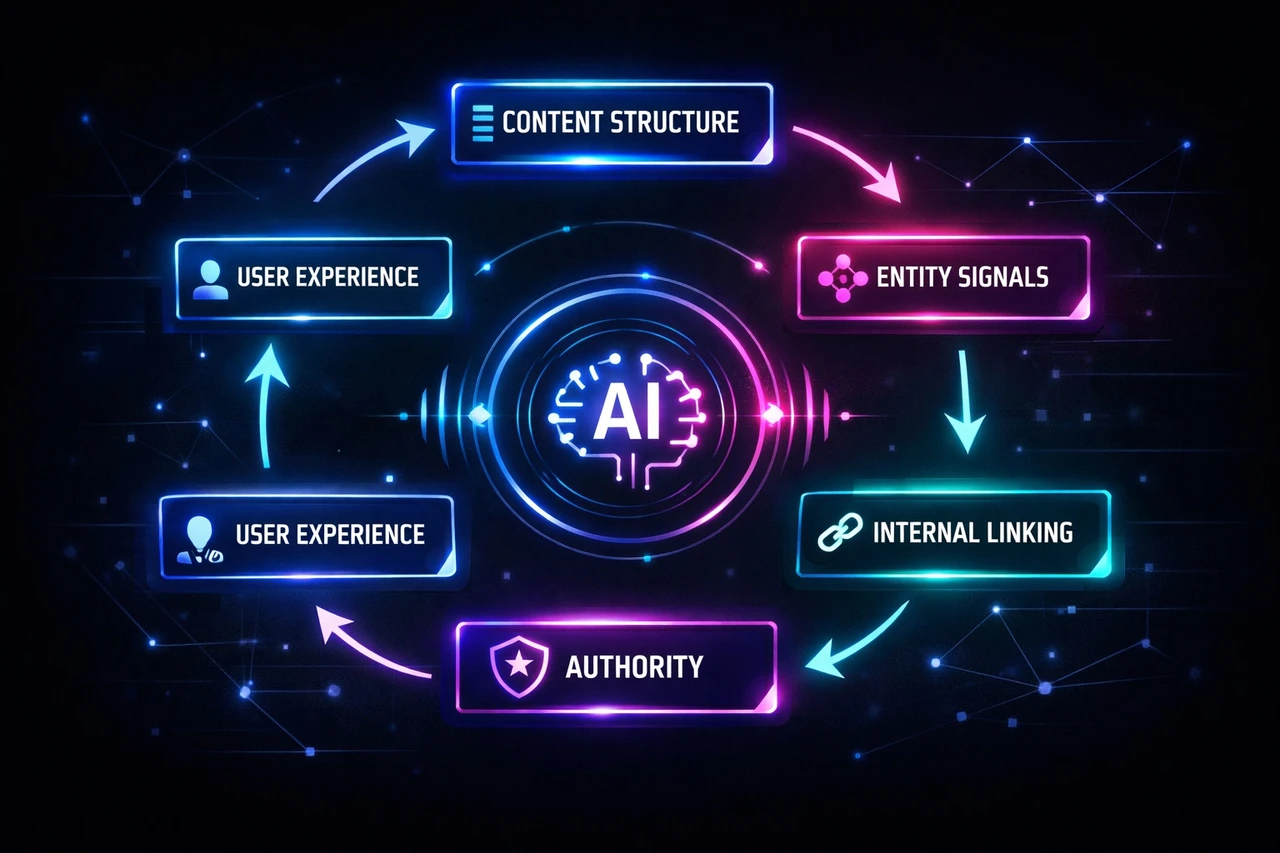
Modern B2B purchases involve buying groups that conduct independent research across multiple channels to reach consensus. These stakeholders use AI tools, peer networks, review sites, technical documentation, and professional networks to validate solutions before engaging vendors. Technical buyers test solutions on platforms like GitHub and Stack Overflow. Business leaders seek proven ROI and validation data. Internal champions need easily discoverable resources to address objections and build consensus.
Your employer brand serves as a proxy for operational health, team capability, and long-term viability. When buying groups research vendors, they assess how you treat employees, the caliber of talent you attract, and the expertise visible across your team’s public presence. A strong employer brand can reduce friction at every stage of the buying journey by building confidence across peer networks and review sites. Buyers trust peer validation on platforms like G2 and TrustRadius, and they engage in communities on LinkedIn, Reddit, Slack, and technical forums where your team’s expertise and culture become visible. Visible team credibility contributes to overall brand perception—shaping whether buyers view your company as trustworthy, capable, and a viable choice before active demand ever surfaces.
Content Strategies for Amplifying Talent Visibility
Employee-Generated Content
The most effective employer brand content comes directly from your team. Employee interviews, field reports, and spotlights—whether text, video, or social media posts—offer authentic insights into work culture and build trust with both prospects and candidates. Video content has proven particularly valuable: formats like “A day in my company,” “Why I applied and why I stay,” and “How working in my company is different” resonate strongly with applicants and prospects alike.
Employee spotlights during heritage months, volunteer work features, and day-in-the-life profiles humanize your brand while demonstrating that employees are valued. Behind-the-scenes content—product creation, strategy meetings, workplace culture events—serves dual purposes: it attracts talent while showing prospects the operational rigor behind your solutions.
Employer Brand Content That Supports Pipeline
Focus on content formats that build trust with both candidates and buyers:
- Employee expert posts: Team members sharing insights on LinkedIn, technical blogs, or industry forums. This positions your organization as thoughtful while demonstrating who you hire.
- Behind-the-scenes delivery content: How your team solves client problems, internal processes, sprint retrospectives. Shows operational maturity and builds confidence in your execution.
- Leadership POVs: Founders, executives, and senior leaders sharing strategic thinking on industry challenges. Builds authority and shapes how prospects perceive your competitive positioning.
- Client-facing team stories: Spotlights on team members, their role in project success, and how they contribute to customer outcomes. Bridges employer brand and sales credibility.
- Recruitment and culture videos: Day-in-the-life, onboarding experiences, team reflections. Authentic formats work better than polished corporate videos—people notice.
- Technical explainers from team members: Deep dives on engineering decisions, architecture, security practices, or product strategy. Attracts technical talent and demonstrates expertise to technical buyers.
Distribution and Supporting Formats
Distribute content across social media platforms, career pages, and internal channels for consistent communication and broader reach. Optimize career pages with videos, employee stories, and clear Employee Value Proposition information to convert passive visitors into applicants and leads.
Dedicated social media channels for careers can amplify employer branding by highlighting team activities and employee achievements. Platforms like LinkedIn, Instagram, and Facebook allow you to present employee stories and company values to maximize reach. Interactive content—live Q&A sessions with employees, polls, and story questions—fosters two-way communication and transparency, increasing engagement while providing insights into both candidate and client needs.
Measuring Employer Brand Impact
Employer branding measurement should start with business goals, not vanity metrics. If your company is expanding into new markets or undergoing digital transformation, track whether your employer brand attracts the specific talent needed to execute that strategy.
Talent funnel metrics:
- Awareness stage: Reach in critical talent segments and media channel efficiency.
- Engagement stage: Career site exploration, time spent on culture content, and talent community subscriptions.
- Conversion stage: Application rate, application-to-interview ratio, and funnel progression efficiency.
Efficiency and retention metrics:
The financial case for employer branding centers on cost reduction and talent retention. Research indicates that replacing an employee costs between 90% and 200% of their annual salary, making retention improvements directly measurable as cost savings. Track time-to-hire, retention rate, offer acceptance rate, and new hire turnover within the first year. High early turnover signals a gap between brand promise and actual experience.
Brand health indices:
- Employer Brand Index (EBI): Measures whether your organization delivers on its Employee Value Proposition through engagement, advocacy, and intent to stay.
- Candidate NPS: Tracks how likely candidates are to recommend applying.
- Career page analytics: Page views, traffic sources, bounce rate, and application completion rates reveal how effectively your employer brand content converts interest into action.
- External monitoring: Glassdoor rating trends and brand search volume gauge external credibility and organic interest.
ROI calculation:
ROI quantifies financial impact: (Financial value generated – Total branding costs) / Total branding costs × 100. Direct attribution is difficult, so pair ROI calculations with supporting metrics like source of hire, employee referral rate, and candidate quality indicators. These data points collectively demonstrate whether your employer branding strategy generates pipeline value.
Avoiding Common Pitfalls
Why Employer Branding Fails
Most employer branding efforts fail before they begin. The core issue is structural: HR owns recruitment, marketing owns brand, and neither has clear ownership of the employer brand. This fragmentation leads to inconsistent messaging, weak online presence, and missed opportunities to turn employees into credible advocates.
The second failure mode is short-term thinking. Companies treat employer branding as a campaign rather than infrastructure. They launch initiatives without defining clear goals, measuring impact, or building a long-term roadmap. When results do not materialize immediately, investment dries up. Meanwhile, the real costs compound: shrinking candidate pipelines, rising hiring expenses, accelerating turnover, and reputational damage that spreads through reviews and social channels.
Building Employer Brand into Your Operating System
Effective employer branding is not a separate workstream—it is embedded in your marketing DNA. Start by defining your Employee Value Proposition with the same rigor you apply to customer positioning. Your EVP should align with corporate identity and reflect the actual employee experience, not an aspirational version of it. Audit the reality through anonymous employee surveys, review site monitoring, and candidate feedback. If there is a gap between what you promise and what employees experience, close it before amplifying your message.
Next, operationalize employee advocacy. Real employee stories, shared authentically across social media and content channels, carry more weight than any corporate messaging. Build recognition programs that encourage participation, but avoid scripted testimonials or embellishment. Authenticity is non-negotiable.
Finally, measure what matters. Track application quality, time-to-fill, retention rates, and employee engagement scores. These metrics reveal how employer brand investments affect hiring efficiency and organizational performance. Without measurement, you are guessing. With it, you can iterate, optimize, and demonstrate concrete ROI to leadership.
How Employer Branding Supports B2B Trust and Visibility
Employer branding and B2B demand generation share common mechanics: both require sustained engagement over long decision cycles, content addressing multiple stakeholders, and measurement tied to meaningful outcomes rather than vanity metrics. The similarity extends to audience psychology. In B2B environments, buying committees include CFOs evaluating ROI, end-users assessing usability, and IT directors focused on security. Employer branding engages candidates similarly: they evaluate culture fit, career growth, and operational transparency, while prospects use the same signals to assess whether your organization can deliver.
Research shows that B2B campaigns combining emotional resonance with rational messaging outperform purely rational approaches. Employer brand content—authentic team stories, behind-the-scenes operations, employee-generated insights—creates emotional credibility that supports that approach. When prospects see a company attracting and retaining strong talent, it signals operational maturity and contributes to lower perceived risk in vendor evaluation.
Employer brand content extends into top-of-funnel marketing efficiently. The same assets that attract candidates—case studies of internal projects, thought leadership from team members, transparent communication about company values—position your organization as credible and capable. This dual function creates value: every piece of talent-focused content also serves as trust-building material for prospects evaluating vendors. The visibility your team builds through employer brand activities can contribute to sustained awareness across both your hiring pipeline and your sales pipeline.
Building Trust Through Employee Visibility
Employer branding works best when it’s treated as a sustained commitment, not a campaign. It requires consistent execution, continuous measurement, and ongoing optimization. Companies that treat employee visibility as a long-term trust-building investment—involving marketing, HR, leadership, and sales—can influence how both talent and prospects perceive organizational credibility and capability.
Visible expertise and authentic team presence contribute to trust in several ways. When your leadership shares industry insights, when your engineers explain their technical decisions, when your team shows up in industry forums and peer networks, prospects encounter credibility signals across channels before they ever reach your sales team. Companies with strong brands convert paid traffic at higher rates than less-known competitors, but this advantage compounds only when employer brand visibility supports that broader brand-building effort. Without visible team presence, you risk creating awareness without trust.
Employer brand content should demonstrate that you genuinely help your market solve problems, that your team executes with excellence, and that you’re trustworthy at scale. This requires integration across functions: marketing amplifying employee insights, HR supporting authentic storytelling, leadership visible and accessible, and sales equipped with content that establishes credibility early. This aligned approach can contribute to higher perceived value and stronger buyer confidence throughout the decision-making process.
Making Employer Branding Operational
Employer branding delivers returns when marketing, HR, leadership, and sales align around a single goal: using employee visibility as a shared trust-building system. This means:
- Marketing and HR partner on employer brand strategy, not just recruitment. Marketing amplifies team expertise; HR ensures the employee experience delivers on the brand promise.
- Leadership commits to visibility by sharing insights, participating in industry conversations, and publicly standing behind company values.
- Sales uses employer brand assets to establish credibility with prospects, not just recruiters using them to attract talent.
- Content is authentic, not scripted. Real employee stories and genuine team presence outperform polished corporate messaging.
- Measurement ties to outcomes: track whether employer brand efforts improve hiring efficiency, increase application quality, and contribute to stronger brand perception among prospects and partners.
When these functions work together to make employee expertise visible, employer branding stops being a separate HR or marketing initiative—it becomes foundational infrastructure for growth.
About Employer Branding as a Marketing Strategy: How Talent Visibility Builds Pipeline
This guide was written by Scopic Studios and reviewed by Assia Belmokhtar, SEO Project Manager at Scopic Studios.
Scopic Studios delivers exceptional and engaging content rooted in our expertise across marketing and creative services. Our team of talented writers and digital experts excel in transforming intricate concepts into captivating narratives tailored for diverse industries. We’re passionate about crafting content that not only resonates but also drives value across all digital platforms.
Note: This blog’s images are sourced from Freepik.