
The Industrial Lead Generation Challenge: Why Traditional PPC Falls Short in Low-Search-Volume Markets
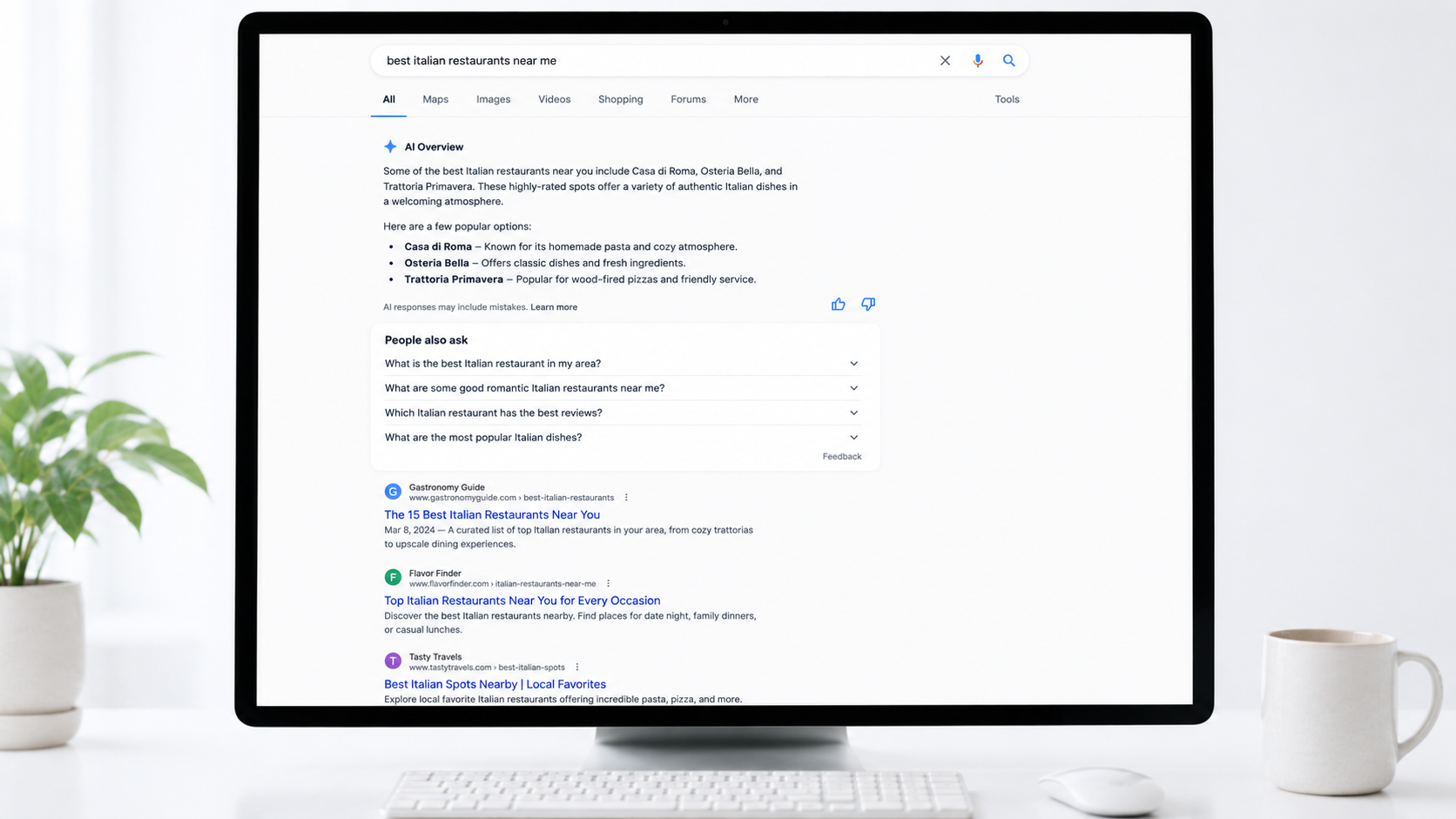
Industrial and manufacturing markets face a structural constraint that undermines traditional PPC effectiveness: insufficient search volume to train optimization algorithms. When specific products or services generate minimal search activity, Google lacks the data needed to identify which keywords perform, which audiences convert, or when to display ads. This forces campaigns into inefficient spending patterns—ads reach less relevant audiences, click-through rates drop, and cost per click rises.
The problem compounds when layered with industrial buying realities. Sales cycles extend across months or years, involving multiple stakeholders from engineering, procurement, finance, and operations. Multi-channel engagement—phone calls, trade shows, offline orders—makes conversion tracking nearly impossible. Without clear attribution, you cannot optimize campaigns or justify budget allocation.
Even when PPC generates leads, traditional lead capture models create friction at the wrong stage. Industrial buyers conduct extensive research before engaging sales, and demanding contact information early interrupts this self-directed process. The result: lower conversion rates and leads that reflect curiosity rather than intent.
Traditional campaigns also prioritize volume over timing. Most industrial buyers are not actively in-market; they are researching for future needs or gathering competitive intelligence. Static targeting cannot distinguish between a prospect evaluating solutions and one locked into a long-term contract. This wastes budget on the wrong portion of the market and floods sales teams with unqualified contacts.
Understanding the Industrial Buyer: Buying Committees, Long Cycles, and RFQ Behavior
Industrial purchases are rarely made by individuals. Buying committees typically span multiple roles—engineering, operations, procurement, finance, safety, facility management—each conducting independent research without coordinating search behavior. One engineer may be evaluating technical specifications while a CFO simultaneously reviews ROI documentation and compliance requirements. This distributed research pattern means you’re not targeting a single buyer journey, but multiple overlapping ones.
Industrial buyers prefer self-directed answers: technical documentation, specifications, case studies, white papers, datasheets, CAD drawings, and demo videos. They value clarity and specificity over marketing language. Sales cycles extend across months or years, often tied to compliance reviews, facility changes, or capital planning cycles. The majority of research happens online before any sales engagement occurs.
Industrial lead generation often culminates in an RFQ (Request for Quote), not a demo request or contact form. RFQ submissions involve specifications, compliance needs, lead times, part numbers, drawings, and material requirements—they represent the end of a long evaluation process. By the time a buyer submits an RFQ, they’ve already narrowed options, often without appearing in your PPC funnel. The challenge isn’t driving more RFQ volume through paid ads; it’s ensuring your brand is present during the months of invisible research that precede the request.
Why Standard PPC Fails in Industrial Markets
Low query volume prevents algorithm optimization. Standard PPC relies on volume to train Google’s algorithms. In industrial markets, sparse and technical queries mean the platform lacks sufficient data to optimize effectively. How to diagnose this: If you’re running campaigns with hundreds of impressions but single-digit conversions, and your average position fluctuates widely, low query volume is likely the culprit. This creates a cascade of inefficiencies: less relevant audiences, lower click-through rates, and higher cost per click. Algorithms designed for consumer-scale traffic cannot learn fast enough in low-volume environments. You’ll see high average CPCs despite low competition metrics in Google Ads.
Attribution breaks down across complex buying cycles. A click might come from an engineer researching specifications, while the RFQ arrives weeks later from procurement. Last-click attribution models fail to capture this reality, undervaluing campaigns that influence the buying committee early in the process. How to diagnose this: If your CRM shows RFQs from accounts you’ve never converted through PPC, or if leads take 8+ weeks to close after an initial click, your attribution model is hiding campaign effectiveness. Conversion tracking becomes nearly impossible when customers engage through multi-channel behavior—phone calls, physical visits, offline orders—rather than completing transactions online. You may be canceling campaigns prematurely because they look unprofitable.
Campaigns are built for traffic, not qualification. Most PPC frameworks maximize traffic volume. Industrial companies need campaigns built to qualify and convert—not more leads, but better-qualified RFQs and pipeline opportunities. A few targeted RFQs from engineers searching for specific tolerances, materials, or certifications deliver more value than thousands of general website visits. How to diagnose this: If your bounce rate exceeds 70%, your form abandonment rate is high, or your conversion rate per click is under 1%, then your landing pages are attracting the wrong traffic. Yet standard approaches use overbroad keyword matching, generic ad copy, and landing pages that send prospects to homepagesC or contact forms. These tactics waste budget on irrelevant searches and fail to convert technical buyers who expect specificity.
Broad targeting misses high-intent searchers. Many industrial PPC campaigns use phrase match or broad match modified keywords to maximize volume. This catches casual researchers and tire-kickers alongside serious buyers. How to diagnose this: Compare the quality of leads from branded, highly specific technical terms versus general category terms. If branded and specific competitor-alternative terms deliver qualified leads while broad terms do not, you’ve found your problem. You’re paying for wrong-fit impressions that clutter your pipeline.
Landing page misalignment kills conversion. Generic landing pages optimized for broad campaigns fail to convert technical buyers. How to diagnose this: A searcher looking for “stainless steel AISI 316 fasteners ISO certified” lands on a generic “fasteners” homepage instead of a page addressing their exact need. Check your landing pages against top-performing keywords—if there’s a mismatch, prospects bounce immediately without engaging.
Long buying cycles make conversion tracking unreliable. PPC is optimized for fast conversions (days to weeks). Industrial cycles often span months or years. How to diagnose this: Calculate your average sales cycle length. If it exceeds 60 days, standard PPC conversion windows (30-day last-click) will systematically undercount true impact. You’re likely abandoning channels that actually work because they don’t convert within Google’s attribution window.
Comparison Framework: Traditional PPC vs. Industrial Lead Generation System
| Dimension | Traditional PPC | Industrial Lead Generation System |
|---|---|---|
| Search Volume Dependency | Requires consistent query volume to train optimization algorithms; breaks down in low-volume markets | Operates across multiple channels; does not depend on search volume alone |
| Buyer Journey Fit | Optimized for single, fast conversions; assumes 2–4 week decision cycles | Designed for multi-stakeholder research; accommodates 2–12+ month evaluation periods |
| Attribution Model | Last-click attribution; undervalues influence earlier in the funnel | Multi-touch attribution; recognizes influence across touchpoints and channels |
| Primary Conversion Goal | Website form submission; emphasis on lead volume | Qualified RFQ or pipeline opportunity; emphasis on deal value and close probability |
| Best Channels | Google Ads on broad, generic terms | SEO + content, LinkedIn ABM, retargeting, email nurture, trade show support |
| Success Metric | Cost per lead, click-through rate, form submissions | Pipeline value created, qualified RFQ rate, sales cycle compression, customer acquisition cost |
Building an Industrial Lead Generation Strategy: Channel Selection Framework
Industrial lead generation demands a channel strategy built on how your buyers actually research and evaluate solutions—not on what works in consumer markets or high-volume SaaS.
Start by mapping the buying group. Identify common roles—engineering, operations, procurement, finance, sustainability—and understand their priorities at each stage. Define category entry points: the triggers that move buyers from passive to active. Equipment failure, regulatory changes, plant expansions, vendor dissatisfaction, and new leadership all create windows of opportunity. Choose channels that make you discoverable when these moments occur.
Match channels to intent and stakeholder roles:
- SEO and content marketing own the early research phase. Build content clusters around long-tail technical phrases, how-to queries, and use-case-specific solutions. Prioritize spec sheets, CAD files, case studies, white papers, demo videos, ROI calculators, and implementation timelines. These assets reduce friction by giving stakeholders the information they need to advocate internally.
- LinkedIn Ads and ABM platforms excel at reaching decision-makers and engineering leads at specific accounts. Use role-based targeting, retargeting by product category or content downloads, and geo-fencing around trade shows. Promote tools, calculators, and peer validation rather than generic brand messaging.
- Email marketing nurtures slow-moving leads and keeps warm prospects engaged across long sales cycles. Segment by persona and buying stage, using dynamic content to deliver personalized product recommendations and technical resources.
- Paid search works when search volume exists, but in low-volume markets, shift budget toward retargeting past visitors and supporting SEO with content amplification rather than chasing expensive, low-intent keywords.
When PPC Still Makes Sense
PPC is not universally ineffective in industrial markets; it works best in specific, high-intent contexts:
- Branded and competitor alternative terms: When an engineer searches “Competitor X CNC machining,” you can capture high-intent prospects at a critical decision point with minimal volume risk.
- Highly specific technical queries: Searches like “AISI 316 stainless fasteners ISO 9001 certified rapid delivery” indicate clear commercial intent. These convert well because they’re targeted and specific.
- Trade show campaigns: Running PPC 4–6 weeks before and after industry events drives attendance and follow-up. Exhibit-goer lists provide perfect retargeting audiences.
- Retargeting past visitors: Showing ads to people who’ve already visited your site, downloaded content, or viewed product pages is far more efficient than cold prospecting. This reinforces brand recall and captures buyers returning to compare options.
- Niche verticals with defined audiences: If your market is a small cohort (e.g., “metal fabricators in automotive who need certification tracking”), Google Ads can work efficiently through geo-targeting, industry keywords, and lookalike audiences.
The key is intent clarity: use PPC only where search volume and specificity guarantee buyer intent, and layer PPC with other channels to build a complete system.
Choose channels that align with how your buyers build their shortlist, not what delivers the cheapest cost-per-click.
SEO for Sustainable Industrial Growth
Unlike PPC, which charges per click and requires continuous investment, SEO delivers long-term performance with zero fees per visitor. This cost structure makes it particularly effective in low-search-volume markets where PPC becomes prohibitively expensive.
Execution framework: Audit your current SEO, prioritize updates based on impact, and research keywords that match how your buyers search. Produce content that addresses specific technical questions and pain points. Target long-tail keywords that reflect actual buyer intent. Build detailed product and service pages that answer:
- Technical specifications: Material grades, tolerances, dimensions, certifications (ISO, FDA, UL, ASTM), and performance thresholds
- Application and industry pages: How your product serves automotive, aerospace, food processing, pharmaceutical, energy, or defense sectors; use-case tutorials
- Material and composition details: Stainless steel grades, alloy specifications, coatings, corrosion resistance, temperature ranges
- Certifications and compliance: Third-party validations, regulatory standards, quality assurance processes
- Technical FAQs: Address common engineering questions—lead times, customization options, manufacturing processes, testing capabilities
- Downloadable assets: Spec sheets, CAD files, material certificates, installation guides, technical datasheets that buyers need for internal evaluation and procurement approval
Develop a responsive website that functions across devices, and optimize local listings for geographic targeting when relevant.
Track performance using impressions, clicks, average position, engaged sessions, and conversions. Marketing automation software can connect website analytics with CRM systems to track lead qualification and deal value, giving you visibility into which organic traffic converts to pipeline.
When to build in-house vs. outsource: Consider outsourcing when you lack internal time or resources, experience flat or declining performance, have aggressive growth goals, or manage multiple sites after mergers or acquisitions. When evaluating agencies, ask for case studies in industrial markets, how they measure success, expected timeline for results, and specific deliverables tied to your growth objectives.
LinkedIn ABM and Account-Based Marketing
In low-search-volume industrial markets, LinkedIn ABM campaigns enable account-based advertising that reaches specific companies, job titles, and industries where decision-makers operate. The platform’s filtering capabilities allow audience creation based on job seniorities (CXO, Director, VP), job functions (Marketing, Engineering), company size, type, industry, and geography. This precision matters when your total addressable market consists of a few hundred accounts rather than thousands of anonymous searchers.
ABM is a focused strategy that targets a select group of high-value accounts with personalized touchpoints. Implementation begins with identifying key accounts using CRM tools, then crafting personalized outreach through emails, landing pages, and content tailored to each account’s needs. LinkedIn lead generation forms come pre-filled with accurate profile data, reducing friction. However, easy-to-fill forms may not yield highly qualified leads, requiring careful testing and qualification criteria.
Organic networking and periodic reach-outs by salespeople with helpful information complement paid campaigns. Posting website articles and participating in industry conversations builds relationships over time. Remarketing to company website visitors through LinkedIn Campaign Manager keeps your brand visible to accounts already showing interest—a critical tactic when purchase cycles span months or years.
Converting Demand: RFQ Landing Pages and Email Campaigns
Industrial landing pages exist to convert interest into action—requesting a quote, downloading a spec sheet, or starting a conversation. The buyers you’re targeting (engineers, procurement managers, plant supervisors, executives) need clarity, credibility, and quick access to information.
Design for clarity and specificity. Start with a clear, specific value proposition in your headline. “Custom CNC Machining for Aerospace Companies” outperforms “Innovative Solutions for Modern Industry” because it immediately signals relevance. Align the page with search intent by repeating core phrases from the query, demonstrating industry experience, and providing technical details that match what the searcher was looking for.
Address multiple stakeholders in one page. Engineers need technical specifications. Procurement teams look for certifications like ISO standards. Executives want business outcomes like reduced downtime. Include all three, organized clearly with headers, bullet points, and visual hierarchy.
Replace claims with measurable proof. Use photos of your facility, equipment close-ups, diagrams, and videos to build authenticity. Add social proof: client logos, testimonials with outcomes, case studies, and certifications.
Optimize forms and CTAs. Your call to action should match the buyer’s stage. “Request a Quote” works for high-intent visitors. “Download Technical Specifications” works earlier in the journey. Place CTAs prominently and repeat them throughout the page.
Optimize forms by asking only what you need. Group fields logically, mark required fields clearly, and consider progressive forms for detailed project specifications. Every extra field reduces conversions. Address objections directly by adding an FAQ section or outlining your process from consultation to delivery.
Test continuously. A/B test headlines, CTAs, imagery, and form length. Track conversion rates, cost per lead, and bounce rates to refine what works in your specific market.
Integrating Channels: A Multi-Channel Industrial Lead Generation System
Industrial lead generation succeeds when you distribute effort across multiple channels rather than relying on a single tactic. Each channel reinforces the others—content supports SEO, paid ads amplify reach, email nurtures what organic and paid deliver.
Implementation approach:
- SEO and content form the foundation. Organic search rankings improve for relevant industrial keywords, while technical whitepapers, case studies, and blog posts establish expertise and educate prospects throughout the buying cycle.
- Email and social handle nurturing and visibility. Targeted email campaigns move leads through the funnel and promote new offerings. LinkedIn serves as the primary platform for professional networking and sharing industry insights.
- Paid advertising complements organic efforts. Google Ads and LinkedIn Ads target specific industrial segments with relevant messaging, addressing the reach limitations that often plague low-search-volume markets.
- Website optimization ties everything together. A redesigned site improves user experience and lead capture functionality, ensuring traffic converts efficiently.
This integrated approach can support measurable outcomes: increased organic visibility, qualified lead growth, and expanded sales pipeline with more opportunities and closed deals. For manufacturers and industrial companies facing similar constraints, this distributed strategy offers a more resilient path forward—one built on how your buyers actually research and decide.
Conclusion: Building a Revenue-Focused Industrial Lead Generation System
A resilient industrial lead generation system requires moving beyond vanity metrics like Marketing Qualified Leads and raw lead volume. Instead, prioritize qualified RFQs and pipeline growth, integrating high-intent targeting, personalized content, and seamless alignment between data, marketing, and sales. The goal is not more leads, but better-qualified RFQs and pipeline opportunities that close. Build systems that respect the buyer’s journey and create clear paths to revenue.
Modern industrial marketing strategy focuses on earning a place on buyers’ awareness before they begin active research. This requires showing up early with answers and guidance, influencing buying groups rather than chasing individual leads, and proving value before price becomes the deciding factor. Industrial buyers are self-guided, brand-influenced, and highly collaborative. They expect digital clarity, trusted expertise, and timely relevance across every touchpoint.
A resilient system depends on tight execution across core pillars: content marketing, search/SEO, paid media and ABM, website UX and conversion, marketing technology and data architecture, and brand positioning. Each pillar must work in concert, supported by continuous learning and adaptation. Strong brand positioning is decisive—buyers default to familiar brands associated with trust, competence, and relevance when making final purchase decisions.
Industrial lead generation in low-search-volume markets demands systems built for precision, not scale. The future belongs to operators who build ecosystems that deliver the right answer at the exact moment a buyer has a question.
This guide was written by Scopic Studios and reviewed by Sonja Somborac, SEO Project Manager at Scopic Studios.
Scopic Studios delivers exceptional and engaging content rooted in our expertise across marketing and creative services. Our team of talented writers and digital experts excel in transforming intricate concepts into captivating narratives tailored for diverse industries. We’re passionate about crafting content that not only resonates but also drives value across all digital platforms.