In this article, you’ll find the top mobile marketing trends for 2026, backed by the latest data: from AI personalization and voice search to mobile commerce, push notifications, privacy regulations, and a step-by-step strategy framework you can act on today.
Embracing the Mobile-First Revolution for Future-Ready Strategies
In an age where our smartphones are nearly an extension of ourselves, businesses must elevate their mobile marketing strategies to stay competitive. The undeniable surge in mobile traffic reflects a broader cultural shift towards mobile-first browsing, urging brands to rethink how they engage with their audiences online.
- Mobile devices now account for over 60% of global website traffic, continuing a steady upward trajectory from 31.7% in 2018. (Statista, 2026)
- Desktop traffic’s share has declined from approximately 66% in 2018 to around 38% today, while tablets maintain a consistent share of roughly 7%. (Statista, 2025)
- The consistent increase in mobile traffic over several years indicates a growing reliance on smartphones and tablets for accessing online services and information.
- Mobile devices now account for the majority of all internet traffic, highlighting the importance of optimizing all digital content, including video for mobile viewing. (Quantumrun)
To stay ahead in the digital marketing landscape, businesses need to prioritize mobile-first strategies. Digital marketing effectiveness statistics consistently show that companies optimizing for mobile achieve significantly better engagement and conversion rates. This not only involves making websites mobile-responsive but also ensuring content is customized for smaller screens and faster consumption. Remember, a seamless mobile experience can be the difference between engaging a user or losing them to a competitor with a more intuitive interface.
Pro Tip:
Elevate your mobile strategy by using tools such as Google’s Mobile-Friendly Test to evaluate your site’s performance on mobile devices. Regularly analyzing metrics focused on user experience and load times can provide actionable insights to enhance your mobile presence. For businesses seeking a comprehensive approach, integrating full-service marketing can ensure all aspects of digital presence, including mobile optimization, are strategically aligned for success.
The Future of Mobile Marketing with AI Personalization
As we look at the horizon of 2026, AI-driven personalization stands at the forefront of the mobile marketing revolution. This cutting-edge technology empowers marketers to create hyper-targeted ads, delivering tailored experiences that resonate deeply with individual users. As AI and machine learning initiatives evolve, leveraging these technologies will be paramount for brands aiming to captivate their audiences in the mobile sphere. By harnessing the power of AI, marketers can sift through immense datasets to predict consumer preferences, ensuring that every interaction feels personal and relevant.
- 94% of marketers plan to use AI in content creation in 2026; a sign that AI-powered workflows are now standard, not experimental. (Hubspot, 2026)
- AI and machine learning are being used to personalize advertisements, making them more relevant and engaging for users. (AUDIENCEX, 2024)
- In 2026, AI enables dynamic content creation that adjusts in real-time based on user interactions, with e-commerce sites modifying their homepage content based on past browsing behavior. (Insider One, 2026)
- Brands leverage AI for predictive analytics to forecast consumer trends and optimize marketing campaigns, including personalized push notifications and email recommendations. (MobileMarketingGenius, 2024)
- AI-powered push notifications represent one of the highest-ROI personalization channels available to mobile marketers today. By analyzing user behavior patterns, AI can determine the optimal timing, message, and frequency for each individual user, dramatically improving open rates and conversions compared to broadcast-style messaging. (Insider One, 2026)
- Amazon’s AI-driven personalization system, which recommends products based on user activity, significantly boosts sales, and more brands are expected to adopt similar approaches for hyper-personalized marketing in 2026. (Amazon Ads, 2026)
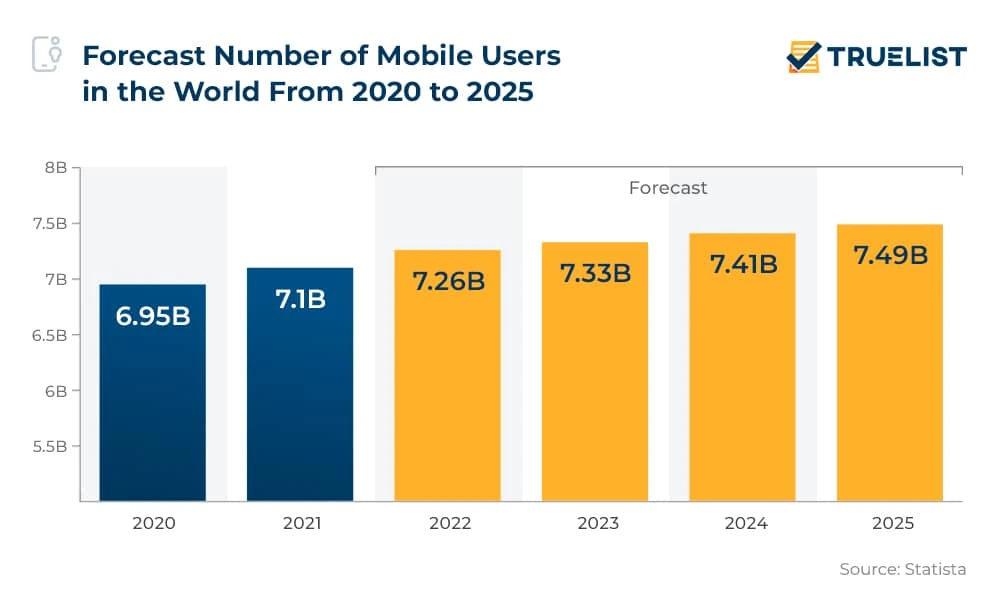
Source: TrueList
Key Takeaway: Embracing AI Personalization is Imperative
The integration of AI in mobile marketing is not merely a glimpse into the future; it’s a present-day necessity for forward-thinking brands. As we delve deeper into the AI era, marketing strategies must evolve to incorporate sophisticated data analytics for precise audience targeting. This evolution is more than just a technological upgrade; it’s a strategic imperative for those aiming to thrive amidst fierce digital competition. Investing in AI-based tools that facilitate audience segmentation and ad personalization will be crucial for securing a competitive edge in mobile marketing.
Pro Tip:
To maximize the advantages of AI-powered personalization, always prioritize maintaining user data confidentiality and compliance with privacy regulations. This approach not only builds trust with your audience but also ensures a sustainable and ethical marketing strategy.
Push Notifications & In-App Messaging
Push notifications have emerged as one of the most direct and cost-effective channels in mobile marketing, yet they remain underutilized by many brands. When executed correctly, push campaigns consistently outperform email on open rates and drive faster conversion cycles.
- Push notifications are a high-ROI direct channel, enabling brands to reach users instantly on their lock screens without requiring them to be actively browsing an app or website.
- Behavioral triggers and time-based personalization, such as sending a cart abandonment notification one hour after a user leaves a product page, dramatically improve click-through rates compared to generic broadcast messages.
- Opt-in best practices matter: clearly communicating the value of notifications at the point of permission request (e.g., “Get exclusive offers & order updates”) significantly increases opt-in rates and reduces future unsubscribes.
- In-app messaging complements push notifications by targeting users who are already active inside your app. Common use cases include onboarding walkthroughs, feature announcements, upsell prompts, and post-purchase follow-ups; all delivered contextually in the moment of engagement.
Together, push notifications and in-app messaging form a powerful retention and monetization layer that works alongside the AI personalization strategies covered above.
Voice Search & AI Search in 2026
The rise of voice assistants like Alexa, Google Assistant, and Siri has ushered in a new era of search habits that marketers cannot afford to ignore. But in 2026, the conversation has expanded well beyond traditional voice search. AI-powered search tools; including ChatGPT, Perplexity, and Google AI Overviews, are fundamentally changing how mobile users discover and interact with information online.
- Over 20% of global internet users now use voice assistants to find information, and that share continues to grow as assistant accuracy and natural language capabilities improve. (DataReportal via HubSpot, 2025)
- 41% of adults in the United States use voice search daily, underscoring its growing impact on user behavior, particularly for those seeking swift, mobile-friendly answers. (Google Mobile Voice Survey, 2026)
- Local SEO optimization is essential since many voice searches are location-specific; businesses must ensure their presence is robust on platforms like Google My Business, with accurate location details. (BrightLocal, 2025)
- To enhance visibility in voice search results, content should be structured for featured snippets, using clear headings and straightforward answers to frequently asked questions.
Beyond traditional voice search, AI-powered search platforms are reshaping mobile behavior in 2026 in three key ways:
- Conversational query patterns: Mobile users are increasingly typing or speaking in full sentences and follow-up questions rather than keyword fragments. Content must be structured to answer these natural language queries directly, not just rank for isolated keywords.
- Google AI Overviews and zero-click impact: Google’s AI Overviews now appear at the top of mobile search results for a wide range of queries, surfacing synthesized answers directly on the SERP. Research shows organic CTR drops by an average of 34–61% when an AI Overview is present, and zero-click searches have risen from 56% to 69% of all queries between May 2024 and May 2025. (Search Engine Journal, 2025) This makes it critical for brands to optimize for AI inclusion, not just traditional blue-link rankings. For detailed strategies on this, explore Scopic’s Generative Engine Optimization (GEO) services.
- AI assistant interactions: Users are turning to ChatGPT and Perplexity as research and decision-making tools on mobile. Brands that appear in AI-generated responses benefit from increased awareness and trust even without a direct click, reinforcing the importance of building content that AI models are likely to surface and cite.
For businesses looking to capitalize on this shift, investing in mobile SEO services and understanding how generative search works are now table-stakes for mobile visibility.
Pro Tip:
Start your voice and AI search optimization journey by conducting an audit to identify how your current content ranks in both voice results and AI Overviews. Use this information to refine your content strategy, focusing on natural language, direct answers, and structured data markup. Additionally, explore opportunities in audio advertising to capture voice-search-driven audiences more effectively.
Navigating Privacy-First Marketing in the Mobile Era
As consumers grow more aware and concerned about data privacy, the marketing landscape continues to evolve in response to regulations like GDPR and CCPA, and a rapidly expanding set of state-level laws. This shift makes it imperative for brands to rethink their strategies, focusing on data security and transparency to foster consumer trust. Staying ahead in the competitive mobile marketplace means seamlessly integrating privacy measures while still delivering personalized experiences.
- 86% of consumers worry about data privacy; a figure that underscores the critical need for privacy-first marketing strategies in 2026. (CDP, 2026)
- Approximately 20 US states now have comprehensive privacy laws in place, significantly expanding the compliance landscape beyond GDPR and CCPA. Brands operating across state lines must ensure their data practices account for this patchwork of regulations. (Taboola, 2026)
- Transparency in gathering data is essential; brands must ensure users are informed about data collection methods and purposes.
- Incentivize users to share their information voluntarily through interactive methods such as quizzes or loyalty schemes, tapping into zero-party data willingly provided by consumers.
- Apple’s implementation of App Tracking Transparency (ATT), requiring app permission for user data tracking, challenges marketers to innovate within privacy-compliant boundaries.
- Consent-first data collection and contextual targeting are emerging as the primary alternatives to third-party cookies. Rather than relying on cross-site tracking, contextual targeting delivers ads based on the content a user is actively viewing; a privacy-compliant approach that is proving highly effective for mobile campaigns.
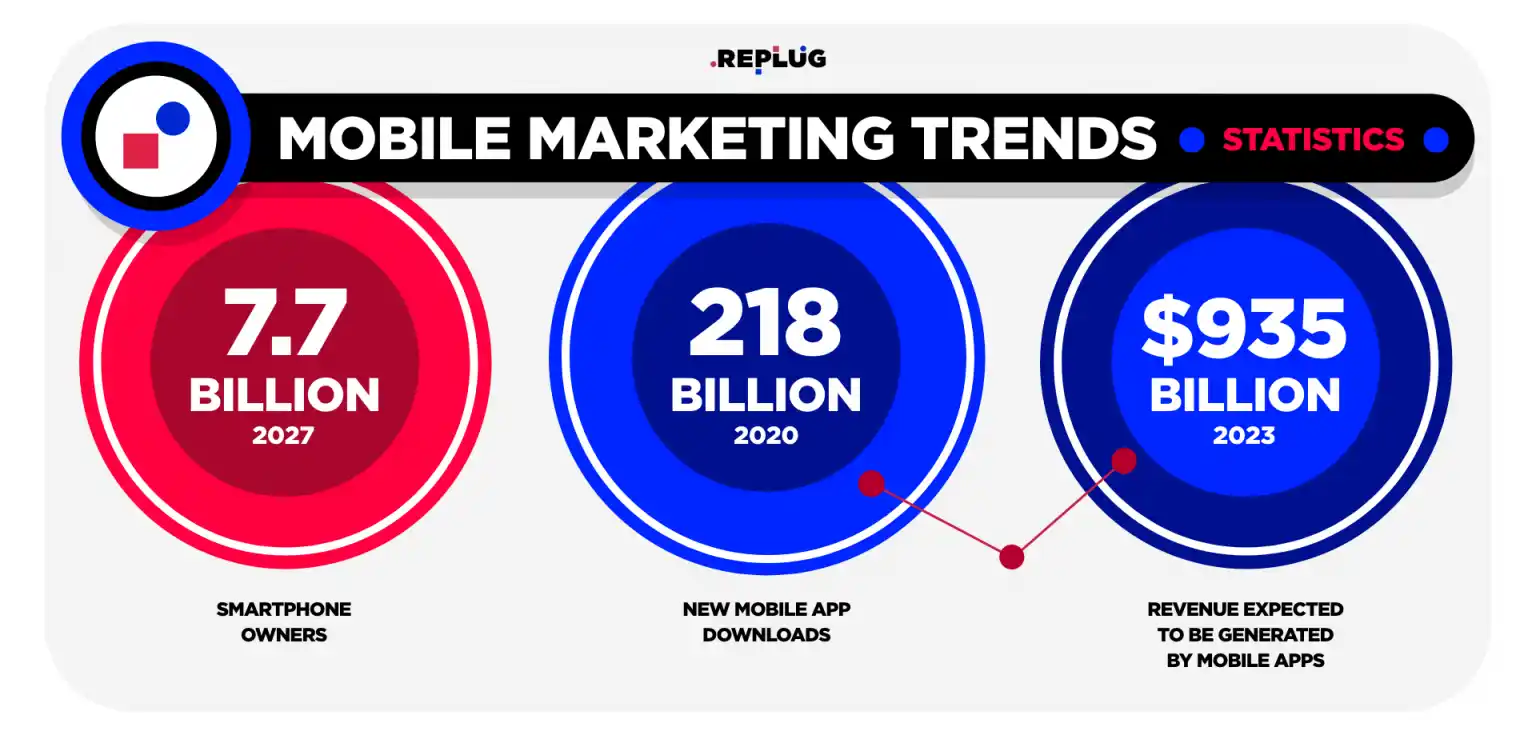
Source: REPLUG
Embracing privacy in marketing is more than adhering to legal standards; it’s a foundational strategy for cultivating trust and enduring customer loyalty. While hyper-personalization remains a key component of effective marketing, it must be achieved through ethical data collection and usage. By promoting transparency, enforcing strict consent management, and leveraging consumer-shared data, brands can proficiently balance the line between safeguarding privacy and offering tailored consumer experiences.
Pro Tip:
Enhance your privacy-first approach by marrying technology with human-centric design. Use AI to ensure that personalization doesn’t compromise privacy, and always provide users with options and control over their data, reinforcing trust and loyalty.
Creating Memorable Mobile Encounters: The Power of Interactivity and Innovation
As the mobile landscape continues to evolve, the battle for user attention is fiercer than ever. To stand out, brands must innovate by integrating interactive content, gamification, and advanced video formats into their strategies. These dynamic elements are not just trendy; they are essential tools that transform casual users into loyal advocates.
- Mobile usage remains high, with users spending an average of over 4 hours per day on their devices, presenting a tremendous opportunity for engaging them through interactive content.
- Gamified content captivates by tapping into intrinsic desires for competition and rewards, leading to elevated engagement rates.
- Through gamification, marketers can gather valuable insights without disrupting the user experience, as participants willingly share data in exchange for entertainment.
- Branded gamification campaigns, such as AR-powered loyalty experiences that reward points for engagement, demonstrate how brands can meaningfully connect with audiences in new ways. According to HubSpot’s 2026 State of Marketing Report, 14% of marketers now incorporate VR/AR into their strategy, reflecting growing mainstream adoption of immersive formats.
- The rise of short-form video platforms like TikTok, Instagram Reels, and YouTube Shorts underscores the demand for quick, captivating content.
- Shoppable videos offer a frictionless shopping experience, allowing users to instantly engage with and purchase featured products.
- Augmented Reality in mobile ads enhances interaction, offering users a more immersive brand experience.
To harness the full potential of mobile engagement, it’s crucial to blend creativity with strategy. Gamification and interactive video are just the beginning; utilizing detailed user insights can further fine-tune your approach. By embracing these interactive elements and continuously measuring engagement metrics, you can craft more personalized experiences that not only captivate users but also drive meaningful interactions and conversions. For businesses looking to expand their reach and optimize their strategies, exploring digital marketing strategies for small businesses can provide valuable insights and tools tailored to maximize impact in the mobile marketing arena.
Pro Tip:
Leverage advanced analytics tools to dissect user interaction data from gamified experiences and interactive videos. This will help you understand user preferences in detail, enabling you to optimize future campaigns for maximum impact and engagement.
Transforming Purchases: The Surge of Mobile Commerce and Payment Innovations
In the current landscape where smartphones have become indispensable, purchasing power is literally at consumers’ fingertips. The explosive growth in mobile commerce and mobile wallets signals a transformative era in how individuals shop. It’s not just about making purchases but reimagining the entire shopping journey to be more fluid and interactive. With social commerce platforms intertwining entertainment and shopping, the shopping experience is evolving to become more dynamic and engaging.
- Mobile sales now account for nearly 73% of total e-commerce transactions globally, a figure that underscores just how dominant mobile has become in the purchase journey. (Cmsmart, 2026)
- Social commerce is projected to become a trillion-dollar industry by 2028, with platforms like TikTok Shop and Instagram Shop already driving significant transaction volume. (Shortsintel, 2026)
- TikTok Shop and Instagram Shop have redefined social commerce by combining viral content discovery with frictionless in-app purchasing; allowing users to go from inspiration to checkout without ever leaving the platform.
- In-app purchases facilitate a seamless journey from product discovery to purchase, allowing users to stay within their favorite social platforms.
- Strategic use of user-generated content enables brands to leverage authentic connections, capitalizing on consumers’ trust in peer over brand messages.
- The global mobile payment user base continues to expand, marking a decisive shift toward mobile wallets as the default payment method for digital purchases.
- QR code payments, already standard in Asia, are expanding rapidly around the globe, as they offer a versatile payment solution for both physical and online stores.
Mobile commerce’s surge is a clarion call for businesses to refine their mobile strategies. By ensuring a frictionless shopping experience – one that boasts fast load times, simple navigation, and secure payment methods – brands can capture this burgeoning market. Social commerce and mobile payment advancements promise to profoundly reshape the e-commerce landscape. The convergence of entertainment, shopping, and secured payment methods within social platforms provides vast opportunities for businesses to boost engagement and enhance customer satisfaction.
Pro Tip:
Stay agile by continuously experimenting with new features like in-app purchases and interactive content. Keep an eye on emerging payment technologies like digital wallets and QR code solutions to stay ahead in offering convenient, seamless shopping experiences for your customers.
The Transformative Power of 5G in Mobile Advertising
As the digital terrain continually shifts, savvy marketers must navigate the latest technological strides to maintain a competitive edge. Global 5G adoption has accelerated significantly, with 5G subscriptions reaching 2.9 billion at the end of 2025, accounting for one-third of all mobile subscriptions worldwide, enabling richer, faster, and more interactive mobile ad experiences at scale. (Ericsson Mobility Report, Q4 2025)
- The rollout of 5G technology is enhancing mobile advertising by providing faster speeds and lower latency, enabling richer ad formats and experiences.
- Mobile video advertising continues to grow, offering marketers a powerful medium for storytelling and brand promotion.
- Interactive and gamified ad experiences are gaining popularity, increasing user engagement and brand recall.
Amplifying user engagement through experimental ad formats should be at the forefront of your marketing strategy. By capitalizing on the speed and low latency of 5G, you can expand your creative palette with dynamic video and immersive interactive content. As you embrace these trends, focus on crafting experiences that are not only visually appealing but also deeply engaging, thus enhancing consumer interaction and brand loyalty.
Pro Tip:
Dive deeper into the data provided by consumers interacting with these advanced ad formats. Use this information to fine-tune your strategies, ensuring your mobile campaigns are both innovative and impactful.
Embracing Eco-Friendly Practices in Mobile Marketing
Today’s consumers are increasingly drawn to brands that demonstrate a commitment to both sustainability and ethical standards. In 2026, ethical marketing is more than just a bonus; it’s a crucial element of brand loyalty. Companies that transparently showcase their dedication to environmental and social responsibilities will set themselves apart in a crowded marketplace, capturing the attention of value-driven consumers.
- Nielsen’s research shows that a substantial majority of global consumers are willing to change their habits to reduce environmental impact, making sustainability a critical consideration for mobile marketing strategy. Brands should verify the latest available Nielsen figures for the most current stats.
- Brands are increasingly optimizing their websites and applications for energy efficiency, addressing their digital carbon footprint as part of a broader sustainability initiative.
- Highlighting initiatives like reducing waste, using renewable materials, or backing environmental causes can enhance a brand’s image as eco-friendly.
- Collaborating with environmentally conscious influencers who share your brand’s eco-values can help authentically promote sustainable practices and engage a green-minded audience.
In a world that increasingly values transparency and authenticity, sustainability and ethical marketing have become critical for success. By openly communicating your brand’s environmental initiatives and enhancing your narrative around sustainability, you can foster consumer trust and loyalty. As eco-awareness continues to grow, brands that genuinely prioritize sustainability will not only resonate more with consumers but also gain a strategic advantage in the evolving mobile marketing arena.
Pro Tip:
Illustrate your brand’s green journey through compelling storytelling. Leverage platforms like social media and effective social media management services to share behind-the-scenes content and progress on sustainability goals, creating a more personal connection with your audience.
How to Build a Mobile Marketing Strategy for 2026
Understanding mobile marketing trends is only half the battle; the real advantage comes from knowing how to act on them. Here is a step-by-step framework that synthesizes the trends covered in this article into a practical, actionable strategy:
- Audit your mobile UX and page speed: Start with a technical foundation. Use Google’s PageSpeed Insights and Core Web Vitals report to identify friction points on mobile. A slow or broken mobile experience undermines every other marketing effort.
- Build a mobile-first content strategy: Structure all content for mobile consumption: short paragraphs, clear headings, scannable bullet points, and fast-loading visuals. Prioritize formats that perform on mobile: short-form video, interactive content, and conversational copy optimized for voice and AI search queries.
- Implement AI personalization: Integrate AI-driven tools to segment your audience and deliver personalized experiences across email, in-app messaging, and ad placements. Start with behavioral triggers and dynamic content; these offer the fastest ROI with the lowest implementation complexity.
- Set up push notification sequences: Define your opt-in flow, map out behavioral trigger points (cart abandonment, re-engagement, onboarding), and build automated sequences. Test timing, copy, and frequency to find what resonates with your specific audience.
- Establish first-party data collection: As third-party cookies continue to phase out, build your own data assets. Use quizzes, loyalty programs, gated content, and preference centers to collect zero-party and first-party data, and ensure your consent management practices comply with applicable privacy regulations.
- Ensure Core Web Vitals compliance: Google’s Core Web Vitals (LCP, CLS, INP) directly impact mobile search rankings. Regularly monitor your scores and prioritize technical fixes that improve perceived performance for mobile users.
- Optimize for social commerce and mobile payments: If you sell products or services, ensure your mobile checkout is frictionless and explore social commerce integrations on platforms like TikTok Shop or Instagram Shop to meet customers where they’re already spending time.
Conclusion
Mobile marketing in 2026 is defined by convergence: AI personalization, privacy-first data strategies, voice and AI search, social commerce, and immersive content are no longer isolated trends; they are interconnected pillars of a modern mobile strategy. Brands that understand these shifts and act on them systematically will be positioned to capture and retain the mobile-first consumer.
Ready to build a smarter mobile marketing strategy? Scopic Studios specializes in AI-powered digital marketing and SEO services designed to help you grow across every channel, starting with mobile.
FAQs
What are the biggest mobile marketing trends in 2026?
How is AI changing mobile marketing?
What is mobile-first indexing and why does it matter?
How do I optimize for privacy regulations in my mobile marketing?
What is mobile commerce and how big is it in 2026?
How effective are push notifications compared to other channels?
Note: This blog’s feature image is sourced from Freepik.