
Listen to article
Tired of seeing your sales team hit the same roadblocks, even though your outreach efforts seem nonstop? In today’s hyper-competitive B2B landscape, relying on single-threaded outreach just isn’t enough—your prospects expect a tailored, multi-channel approach that genuinely stands out. That’s where mastering multithreading sales comes in. By using proven multi-threaded outreach sequences, you can reach entire buying committees, personalize at scale, and dramatically improve your reply rates and deal velocity.
The right multithreading sales strategies don’t just increase your touchpoints—they multiply your chances of closing enterprise deals and future-proof your sales pipeline. We’ve done the legwork to identify the top 10 strategies that drive real results, from leveraging AI for sequence optimization to building smart, multi-channel touchpoints. Each strategy on this list is backed by industry best practices, measurable impact, and adaptability to your unique sales process. Ready to transform your sales playbook? Let’s dive in.
What Is Multithreading Sales?
Multithreading sales is a modern B2B sales approach that involves engaging multiple stakeholders within a target organization simultaneously through coordinated, multi-threaded outreach sequences. Unlike traditional sales methods that often rely on a single point of contact, multithreading sales leverages various communication channels—such as email, LinkedIn, calls, and even SMS—to build relationships with decision-makers, influencers, and end-users across the buying committee. This approach increases your chances of building consensus and navigating complex buying processes, which is especially crucial for enterprise-level deals.
With buying decisions now being made by groups rather than individuals, multithreading sales ensures that your outreach efforts are not dependent on just one contact. By spreading touchpoints across multiple people and channels, you minimize the risk of deals stalling due to turnover or lack of engagement from a single stakeholder.
How Do Multi-Threaded Outreach Sequences Work?
Multi-threaded outreach sequences are structured, automated workflows designed to engage several contacts within an account through a variety of channels and personalized touchpoints. These sequences typically integrate email, social media (like LinkedIn), phone calls, and sometimes video messages or SMS, creating a web of interactions that reinforce your value proposition from multiple angles.
The process often begins with research to identify the right stakeholders within a target company. Next, tailored messaging is crafted for each individual based on their role and influence in the decision-making process. The sequence then unfolds over days or weeks, with automated triggers ensuring timely follow-ups and personalization at every step. This method not only increases the likelihood of a response but also helps build trust and rapport across the account. For more on effective outreach, you can explore our guide to email marketing B2B lead generation.
Why Multithreading Sales Strategies Are Essential for Enterprises
Enterprise sales cycles are lengthy and complex, often involving numerous stakeholders with varying priorities and pain points. Multithreading sales strategies address this complexity by ensuring your solution is presented to all relevant decision-makers, reducing the risk of a single point of failure. When you engage multiple contacts, you’re more likely to uncover hidden objections, align your messaging with the organization’s needs, and accelerate consensus-building.
Additionally, multi-threaded outreach sequences improve your resilience to internal changes within target organizations, such as staff turnover or shifting priorities. This makes your pipeline more predictable and increases your chances of closing high-value deals. Multithreading sales is not just a trend—it’s a fundamental shift in how successful teams approach B2B selling in today’s collaborative enterprise environment.
Key Benefits of Multithreading Sales
Implementing multithreading sales provides several tangible benefits for enterprise sales teams. First, it boosts your win rates by increasing overall engagement and ensuring that your message resonates across the buying committee. When multiple stakeholders are involved, you gain deeper insights into account needs and can tailor your pitch accordingly.
Second, multi-threaded outreach sequences enable more efficient use of your sales tech stack, allowing for automated yet personalized communication at scale. This not only saves time but also creates a consistent experience for every contact within an account. Finally, this approach supports long-term relationship building, positioning your team as trusted advisors rather than just vendors. By adopting multithreading sales, enterprises can future-proof their growth and outperform competitors in complex sales environments.
Making the Right Multithreading Sales Strategy Choice
Choosing the right multithreading sales strategies for your enterprise can feel overwhelming. After all, you’re aiming to boost engagement, improve reply rates, and ultimately drive revenue. It’s not just about picking tactics at random; it’s about selecting strategies that align with your team’s capabilities, your target audience, and your overall sales goals.
Think about your current sales process. Where are the bottlenecks? Are you struggling to reach the right decision-makers, or are your messages failing to resonate? Consider strategies that address these specific pain points. For example, if you’re having trouble breaking through to busy executives, a multi-channel approach that combines email, LinkedIn, and even personalized video might be the answer. Or, if you’re targeting large accounts with complex buying committees, an account-based outreach strategy could be more effective.
Also, think about the level of personalization you can realistically achieve. While hyper-personalization is ideal, it’s not always scalable. Choose strategies that balance personalization with efficiency, and consider leveraging AI tools to automate some of the more time-consuming tasks. Finally, remember that multithreading sales is an iterative process. Be prepared to monitor your results, make adjustments, and continuously optimize your approach based on what you learn.

Leverage Multi-Channel Outreach Sequences
Multi-channel sequences are a cornerstone of effective multithreading sales strategies. This approach involves designing a 6-8 touch sequence that combines concise, value-driven messages delivered through various platforms such as LinkedIn, email (often enhanced with personalized video), and SMS. By engaging prospects across multiple channels, you dramatically increase your visibility and the likelihood of capturing their attention—without overwhelming or annoying them. This method recognizes that prospects rarely respond after just one touchpoint or stick to a single communication channel, so a coordinated, multi-threaded outreach sequence keeps your brand top-of-mind.
To implement this strategy, start by mapping out your sequence: alternate between LinkedIn connection requests, brief email check-ins (with video for added personalization), and timely SMS follow-ups. Each message should be short, relevant, and focused on delivering value rather than pushing for a sale. Use automation tools to schedule and track these touches, but always personalize where possible to maintain authenticity.
This strategy is ideal for enterprise sales teams, B2B account executives, and anyone targeting busy decision-makers who are active across different platforms. The expected outcome is higher engagement rates, improved reply rates, and a more robust sales pipeline thanks to consistent, relevant touchpoints—making it a powerful approach for pipeline-ready lead generation.
Pro Tip:
Personalize each message based on the recipient’s recent activity or pain points. A quick video introduction in your email can significantly boost response rates and make your multi-threaded outreach sequence stand out.

Integrate Multi-Channel Touchpoints in Your Outreach Sequences
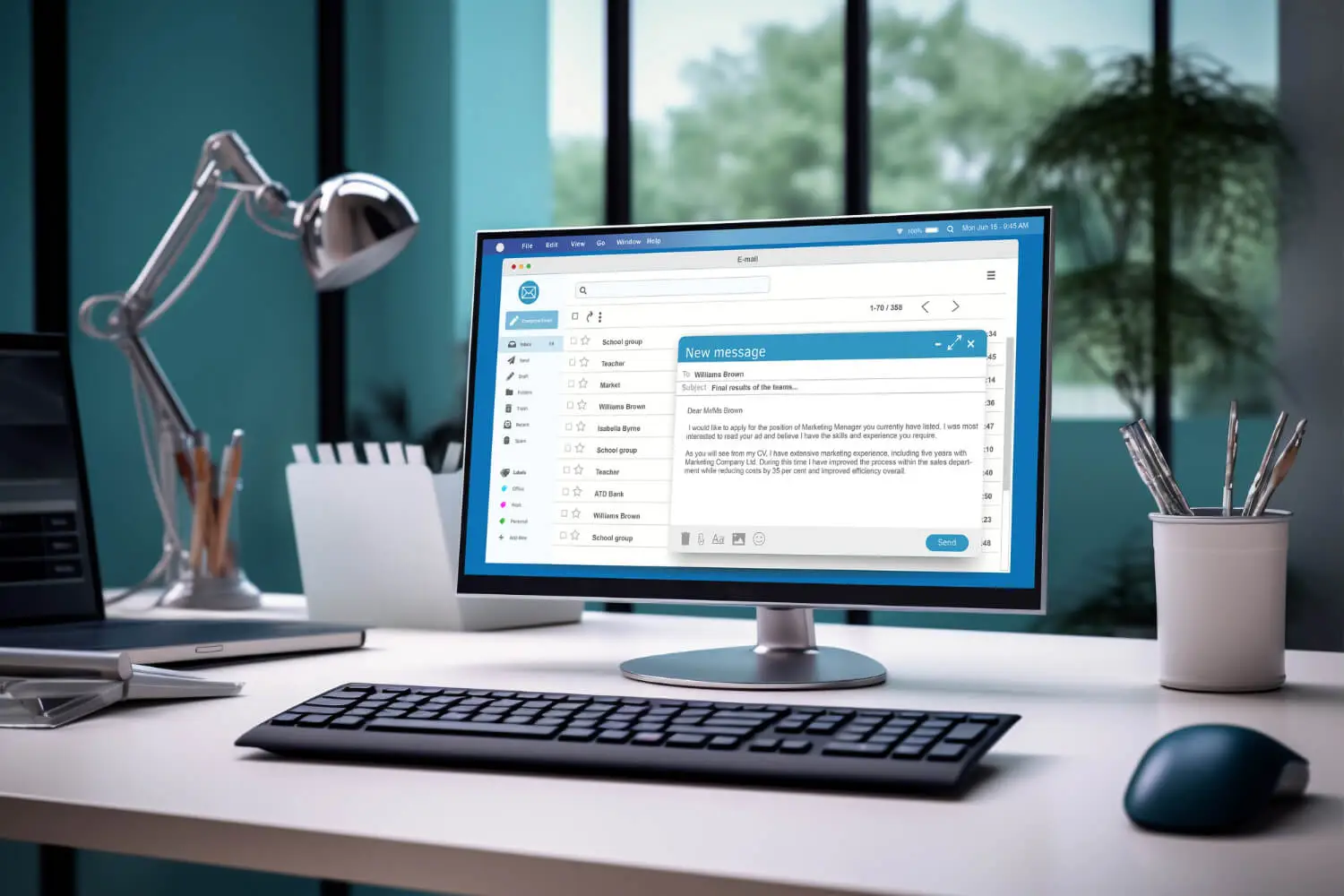
Combining email, phone calls, LinkedIn interactions, and generic follow-up tasks is a powerful multithreading sales strategy. By building multi-threaded outreach sequences that span across these channels, you create multiple opportunities to connect with prospects—boosting your chances of engagement. Each step is thoughtfully designed to complement the previous one, ensuring your messaging remains consistent and valuable at every touchpoint.
To implement this strategy, start by mapping out your outreach sequence: begin with a personalized email, follow up with a LinkedIn connection request or message, set a call reminder, and add generic tasks like checking for replies or engaging with their content. Keep your emails clear, concise, and conversational to foster genuine dialogue. This approach is especially effective for enterprise sales teams, B2B SDRs, and anyone targeting hard-to-reach decision-makers who are active on multiple platforms.
If you want expert guidance on building effective outreach sequences, you can speak with an outreach strategist to tailor a strategy for your team.
The expected benefits include higher response rates, improved relationship-building, and increased pipeline velocity. By leveraging a structured, multi-threaded approach, you ensure no prospect falls through the cracks and every outreach feels intentional and relevant.
Pro Tip:
- Space out your touchpoints to avoid overwhelming prospects.
- Personalize each step based on previous interactions for maximum impact.

Harness Multi-Channel Outreach for Maximum Engagement
Multi-channel outreach is a cornerstone of effective multithreading sales. Instead of relying solely on email, this strategy coordinates outreach across multiple platforms—such as phone calls, LinkedIn messages, personalized videos, and traditional emails. By meeting prospects where they’re most comfortable, you can double your response rates and make your multi-threaded outreach sequences far more impactful.
To implement this, start by mapping your prospect’s preferred communication channels. Develop a sequence that alternates between email, phone, LinkedIn, and video messages over a set period. Track which channels yield the best responses for each persona, and refine your approach accordingly. This method is especially effective for enterprise sales teams targeting complex buying committees or accounts with multiple stakeholders.
The expected benefits include higher engagement, more meaningful conversations, and a greater chance of breaking through inbox fatigue. Multi-channel outreach is ideal for sales professionals and teams looking to boost their multithreading sales efforts and close deals faster.
Pro Tip:
Personalize your outreach on each channel and keep detailed notes on which touchpoints drive the best results for each account. This will help you optimize your multi-threaded outreach sequences over time.

Tailor Outreach with the Right Sequence Type
Selecting the right type of outreach sequence—cold, warm, follow-up, or nurture—is a cornerstone of effective multithreading sales. This strategy is all about matching your messaging and approach to where each prospect stands in their relationship with your brand. Cold sequences focus on introducing your value proposition to new contacts, while warm sequences build on prior conversations. Follow-up sequences are designed to re-engage prospects who’ve gone quiet, and nurture sequences gradually educate and build trust over time. Aligning your multi-threaded outreach sequences with the prospect’s familiarity level increases response rates and reduces resistance.
To implement this, start by segmenting your prospect list based on their engagement history. For new leads, deploy a cold sequence that highlights your unique value. For those who’ve interacted before, use a warm sequence to deepen the relationship. If a prospect has gone silent, trigger a follow-up sequence. For long-term opportunities, set up nurture sequences that provide ongoing insights and value. Sales teams, SDRs, and enterprise account managers will find this approach especially effective when managing complex, multi-stakeholder deals.
By customizing your multi-threaded outreach sequences, you’ll foster trust, improve engagement, and accelerate deal cycles—making your multithreading sales efforts far more impactful.
Pro Tip:
Regularly review and update your outreach templates to reflect evolving prospect needs and feedback. This keeps your messaging fresh and relevant at every stage.

Personalize Outreach for Each Buying Committee Role
Customizing your multi-threaded outreach sequences for different members of the buying committee is a game-changer in multithreading sales. Each stakeholder—whether an economic buyer, technical evaluator, or end user—has unique priorities and communication preferences. By tailoring your messaging and content format to each role, you boost engagement and make your outreach far more effective.
To implement this strategy, start by mapping out the key decision-makers and influencers within your target accounts. Next, research their roles and likely concerns: economic buyers may value concise business cases and ROI summaries, while technical evaluators might need in-depth documentation or demo videos. Craft specific outreach sequences for each persona, using the channels and formats they prefer. This could mean sending executive briefings to C-suite contacts and technical walkthroughs to IT leads.
This approach is ideal for enterprise sales teams targeting complex organizations with multi-person buying committees. The expected benefits include higher response rates, deeper engagement across the account, and a smoother path to consensus and deal closure.
Pro Tip:
Leverage CRM notes and LinkedIn insights to fine-tune your messaging for each stakeholder. Personal touches, like referencing a recent company initiative or industry challenge, can further boost relevance and response rates.

Personalization That Drives Real Engagement
Effective multithreading sales isn’t just about reaching more people—it’s about reaching them in ways that truly resonate. The “Personalization Levels That Actually Matter” strategy is all about tailoring your outreach based on the prospect’s value and intent. High-level personalization leverages intent signals and behavior tracking, ensuring your message is hyper-relevant to top-tier prospects. For mid-value leads, industry-specific context does the trick, while basic personalization (like using the first name and company) suffices for lower-value contacts. This approach saves time, boosts efficiency, and increases your chances of breaking through the noise.
To implement this, start by segmenting your prospect list according to deal size or strategic importance. Use tools to track behaviors—such as website visits or content downloads—for high-value targets, and craft messages that reference these actions. For mid-tier prospects, reference industry trends or challenges. Reserve basic personalization for broad outreach. This multi-threaded outreach sequence ensures your efforts are focused where they’ll have the most impact.
This strategy is ideal for enterprise sales teams juggling large prospect lists and looking to maximize ROI from their multithreading sales efforts. Expect higher response rates, more meaningful conversations, and a smarter allocation of your team’s time.
Pro Tip:
Automate low- and mid-level personalization with templates, but always manually craft high-level messages for your most valuable prospects. This balance keeps your outreach scalable and authentic.

Hyper-Personalized Account-Based Outreach for High-Value Clients
Account-Based Outreach, often known as Account-Based Marketing (ABM), is a powerhouse strategy for multithreading sales—especially when targeting high-value enterprise clients. Unlike broad outreach, ABM zeroes in on a select group of key accounts, engaging multiple stakeholders within each organization through tailored, multi-threaded outreach sequences. This approach goes beyond generic messaging, using personalized content, executive-level touchpoints, and bespoke offers to build deep, lasting relationships over several months. Leveraging SEO for enterprise content can further enhance the effectiveness of your personalized outreach by ensuring your messaging is discoverable and relevant to your target accounts.
To implement ABM, start by identifying your most valuable target accounts. Research each organization thoroughly to map out key decision-makers and influencers. Next, craft customized content and offers for each stakeholder, ensuring your outreach resonates with their specific needs and pain points. Deploy multi-threaded outreach sequences—such as personalized emails, LinkedIn messages, and executive calls—to engage multiple contacts simultaneously, maintaining consistent, relevant communication throughout the sales cycle.
This strategy is best suited for sales teams pursuing large, complex deals where multiple decision-makers are involved. The expected benefits include higher close rates, larger deal sizes, and stronger client relationships, making the resource investment well worth it for enterprise sales success.
Pro Tip:
- Coordinate your team’s efforts to avoid overlap and ensure a unified message across all touchpoints.
- Use CRM tools to track engagement and tailor follow-ups for each stakeholder, maximizing your multi-threaded outreach impact.

Launch, Track, and Optimize Your Outreach Sequence
Activating your multi-threaded outreach sequences is just the beginning—true success in multithreading sales comes from ongoing monitoring and agile adjustments. This strategy centers on launching your sequence, then closely tracking key performance metrics like open rates, reply rates, and recipient behavior. By observing how prospects interact with each touchpoint, you can quickly identify which steps resonate and which fall flat.
To implement this, start by activating your outreach sequence across multiple channels and stakeholders. Monitor engagement data in real time, paying special attention to steps that receive low responses or are consistently ignored. Use this insight to trigger conditional follow-ups or adapt your messaging, ensuring each prospect receives a tailored experience. Regularly refine your sequence based on these findings to keep improving results.
This approach is ideal for sales teams and enterprise SDRs managing complex deals with multiple decision-makers. By continuously optimizing your multi-threaded outreach, you’ll boost engagement, increase response rates, and maximize your chances of closing deals.
Pro Tip:
Set up automated alerts for significant drops in engagement, and schedule weekly reviews to fine-tune your sequence for optimal performance.

Harnessing Psychological Triggers to Increase Reply Rates
Tapping into psychological triggers is a powerful way to supercharge your multithreading sales efforts. This strategy revolves around leveraging human behavioral cues—like curiosity, relevance, authority, and micro-commitments—to make your multi-threaded outreach sequences more compelling and effective. By sparking curiosity, your messages are more likely to be opened. Ensuring relevance keeps recipients engaged, while demonstrating authority and social proof builds the credibility needed to earn trust. Micro-commitments, such as simple yes/no questions or small asks, lower the barrier for prospects to respond.
To implement this strategy, start by crafting subject lines and opening sentences that pique curiosity or hint at a benefit. Personalize your outreach to highlight relevance to each recipient’s role or pain point. Include social proof, such as client logos or testimonials, to establish authority. Throughout your sequence, use behavioral data and AI-driven scoring to fine-tune your messaging and timing, making each touchpoint more psychologically resonant. This approach is ideal for sales teams targeting enterprise accounts or complex buying committees, where multiple stakeholders need to be engaged.
By weaving psychological triggers into your multithreading sales outreach, you’ll see higher open and reply rates, deeper engagement, and ultimately, strong conversion experiences from your multi-threaded outreach sequences.
Pro Tip:
- Use A/B testing to identify which psychological triggers resonate best with your audience.
- Incorporate micro-commitments early in your sequence to build momentum and reduce friction.

Harness AI for Smarter Sequence Optimization
Leveraging artificial intelligence to optimize your multi-threaded outreach sequences is a game-changer in modern multithreading sales. AI tools can analyze vast amounts of engagement data across multiple contacts and touchpoints, quickly identifying patterns and opportunities that manual reviews often overlook. By pinpointing which subject lines, call-to-actions, and email timings drive the highest meeting rates, AI empowers your team to refine outreach strategies for maximum impact.
To implement this approach, start by integrating AI-powered sales engagement platforms into your existing workflow. Allow these tools to track and assess engagement metrics—such as open rates, reply rates, and meeting conversions—across all your sequences. Review the AI-generated insights regularly, focusing on both high-performing and underperforming elements. Combine these findings with your team’s expertise to adjust messaging, timing, and targeting, ensuring that each sequence is continuously optimized for pipeline growth.
This strategy is ideal for enterprise sales teams managing complex, multi-threaded outreach sequences where manual analysis is time-consuming and prone to bias. By blending AI insights with human judgment, you can expect improved response rates, more meetings booked, and a measurable boost in overall sales efficiency.
Pro Tip:
- Schedule regular AI-driven sequence reviews to stay ahead of shifting buyer behaviors.
- Use AI recommendations as a starting point, but always validate changes with real-world results and sales team feedback.
Conclusion
In today’s complex B2B sales environment, mastering multithreading sales is no longer optional—it’s essential for enterprises aiming to accelerate deal velocity and build lasting client relationships. By implementing well-coordinated, multi-threaded outreach sequences, sales teams can effectively engage entire buying committees, personalize messaging at scale, and navigate intricate decision-making processes. This strategic approach ensures that your value proposition resonates across all relevant stakeholders, paving the way for increased win rates and predictable revenue growth.
Looking ahead, the integration of AI and automation will further refine multi-threaded outreach sequences, enabling even greater personalization and efficiency. As technology evolves, sales teams that embrace these advancements will be best positioned to thrive in the competitive landscape.
Ready to elevate your sales strategy? Explore more insights and discover how a Full-service digital marketing agency can help you implement effective multithreading sales strategies tailored to your unique business needs.
Note: This blog’s images are sourced from Freepik.