Tired of trying strategy after strategy with no real results—or worse, blowing your whole budget on tactics that just don’t deliver? If you’re running a small business, finding affordable marketing strategies that actually work can feel like searching for a needle in a haystack. Yet, in today’s hyper-competitive landscape, deploying the right cost-effective marketing strategies is more important than ever. The difference between steady growth and stagnant sales often comes down to making smart, sustainable choices that maximize every marketing dollar.
That’s why we’ve done the research for you. Below, you’ll find a curated list of 10 proven affordable marketing strategies, each selected for their real-world effectiveness, scalability, and ease of implementation. Ready to discover the techniques that truly move the needle? Let’s dive in—and if you’re looking for even more inspiration, check out our guide on digital marketing strategies for small businesses.
What Are Affordable Marketing Strategies?
Affordable marketing strategies are approaches designed to promote a business or product while keeping costs low and maximizing return on investment. These cost-effective marketing strategies are particularly crucial for small businesses, which often have limited budgets but need to compete in crowded marketplaces. By leveraging creative tactics and digital tools, small business owners can increase their reach and visibility without overspending.
Unlike traditional marketing methods that typically require large investments, affordable marketing strategies focus on maximizing resources and tapping into channels that deliver strong results for less money. These strategies are adaptable, scalable, and often rely on digital platforms such as social media, content marketing, and local SEO. They empower small businesses to build brand awareness, attract new customers, and nurture relationships with existing ones, all within budget constraints.
How Do Affordable Marketing Strategies Work?
At their core, cost-effective marketing strategies work by identifying high-impact, low-cost channels and activities that align with a business’s goals and target audience. This involves careful planning, audience research, and prioritizing tactics that provide measurable results. For example, using organic social media engagement, optimizing a Google Business Profile, or launching a referral program can all extend reach without major upfront costs.
These strategies also depend on consistent evaluation and optimization. By tracking performance metrics such as website traffic, conversion rates, or social media engagement, businesses can refine their approach over time. This iterative process ensures that every dollar spent delivers maximum value.
Key Benefits of Cost-Effective Marketing Strategies
One of the main advantages of affordable marketing strategies is their accessibility. Small businesses can quickly implement these tactics without needing massive budgets or specialized expertise. This levels the playing field, allowing even the smallest companies to compete effectively with larger competitors in their niche.
Additionally, cost-effective marketing strategies encourage a focus on relationship-building and community engagement, which often leads to stronger customer loyalty and more word-of-mouth referrals. By investing in tactics like content marketing or local partnerships, businesses can foster lasting connections with their audience, drive steady growth, and enjoy a higher return on their marketing investment.
How to Evaluate Cost-Effective Marketing Options
To evaluate affordable marketing strategies, focus on impact rather than cost alone. Look for tactics that can reach your target audience, produce measurable results, and scale as your business grows. The best cost-effective strategies clearly show how performance is tracked and optimized over time.
Also consider the time and effort required to maintain each approach. Some strategies deliver quick results, while others build long-term value. Prioritizing those with clear ROI, manageable effort, and flexibility will help you choose options that truly make the most of your budget.
How to Choose the Right Affordable Marketing Strategies for Your Business
Choosing the right affordable marketing strategies can feel overwhelming, especially when you’re trying to stretch every dollar. It’s tempting to jump on the latest trend, but the most effective approach is to align your marketing efforts with your specific business goals and target audience. Before diving into any strategy, take a step back and consider what you’re trying to achieve. Are you focused on increasing brand awareness, driving more website traffic, or boosting sales?
Next, think about your ideal customer. Where do they spend their time online and offline? Which platforms do they use most frequently? Understanding their habits will help you prioritize the strategies that are most likely to reach them. For example, a visually driven business might prioritize Instagram and Pinterest, while a B2B company might focus on LinkedIn and content marketing.
Also, consider the time and resources you have available. Some affordable marketing strategies, like SEO and content marketing, require a long-term commitment. Others, like Google My Business optimization or local partnerships, can deliver quicker results with less ongoing effort. Don’t spread yourself too thin – focus on a few key strategies that you can execute consistently and effectively. By carefully evaluating your goals, audience, and resources, you can select the cost-effective marketing strategies that will drive the most meaningful results for your small business.

Leverage Social Media for Maximum Impact
Social media platforms like Facebook, Instagram, LinkedIn, and X (formerly Twitter) offer small businesses a powerful yet affordable marketing strategy to boost brand visibility and connect with customers. These platforms are mostly free to use, making them a cost-effective marketing strategy for businesses with limited budgets. By regularly posting valuable content and engaging with your audience, you can build a loyal community, drive website traffic, and keep your brand top-of-mind.
To implement this strategy, start by identifying which platforms your target audience uses most. Set up professional profiles and create a content calendar to ensure consistent posting—think helpful tips, behind-the-scenes glimpses, and customer testimonials. Respond promptly to comments and messages to foster engagement. This approach works well for nearly any small business, especially those looking to increase awareness without significant ad spend.
The expected benefits include increased brand recognition, stronger customer relationships, and more opportunities for organic growth—all while keeping marketing costs low. Social media is one of the most accessible and affordable b2b digital marketing strategies for small businesses aiming to make a big impact.
Pro Tip:
- Use free analytics tools provided by each platform to track what content resonates most and adjust your strategy accordingly.
- Experiment with different content formats—such as stories, reels, or polls—to boost engagement and reach.

Boost Local Visibility with Google My Business
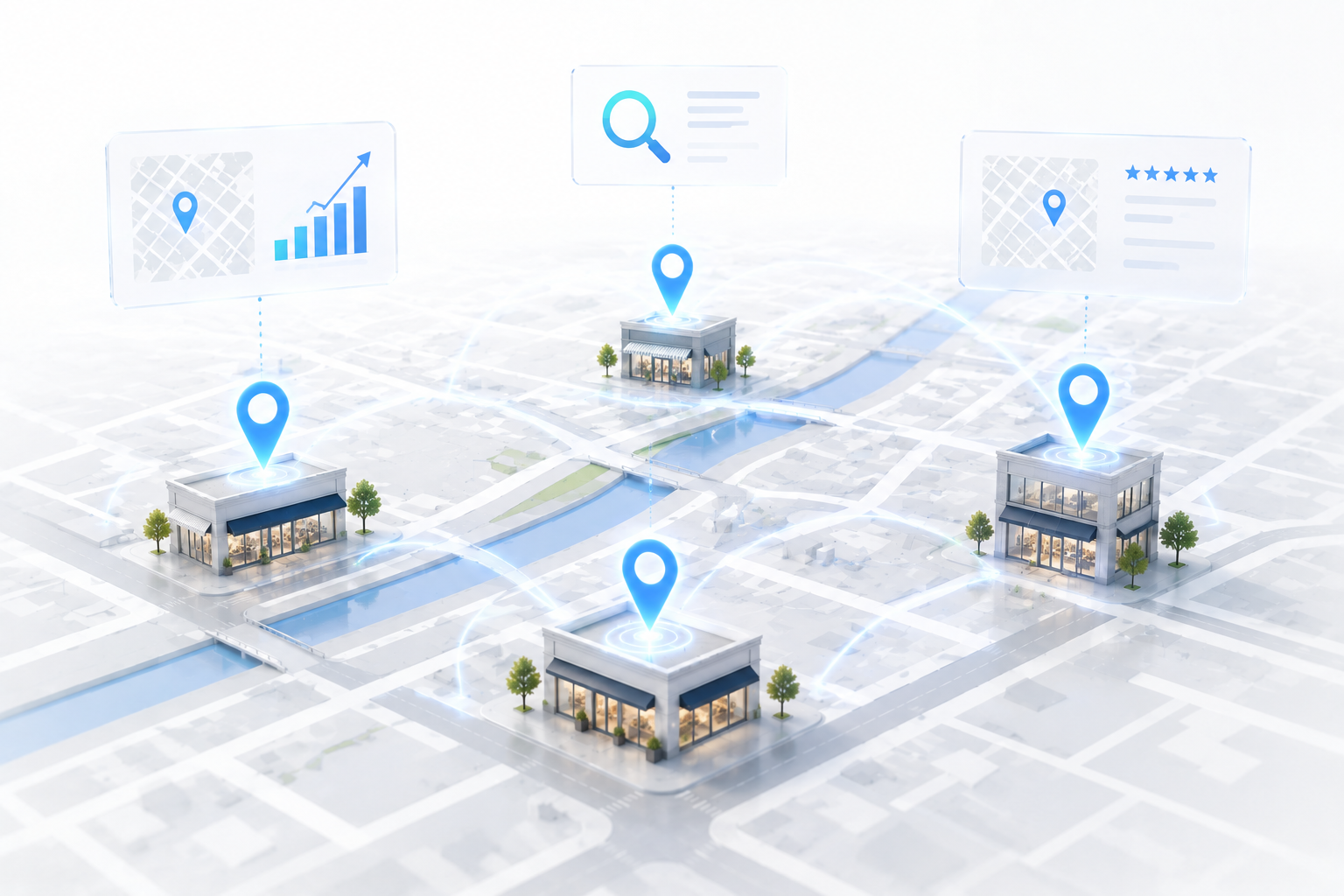
Google My Business (GMB) is one of the most affordable marketing strategies for small businesses looking to enhance their local presence online. By creating and verifying a free GMB profile, your business gains a prime spot in Google’s local search results and on Google Maps. This not only increases your visibility to nearby customers but also builds trust, as verified listings are seen as more reputable.
To implement this cost-effective website marketing strategy, start by claiming or creating your GMB listing. Fill out all relevant information—business name, address, phone number, hours, and website. Regularly update your profile with fresh posts, high-quality images, and special offers. Encourage satisfied customers to leave positive reviews, which can further boost your local ranking and credibility. This strategy is ideal for brick-and-mortar stores, service providers, and any business targeting a specific local area.
The expected benefits include increased foot traffic, more website visits, and higher chances of being chosen by customers searching for services “near me.” GMB is a must-have for small businesses seeking cost-effective marketing strategies that deliver real, measurable results.
Pro Tip:
- Respond to all customer reviews—positive or negative—to show you value feedback and build stronger relationships.
- Use the “Posts” feature to highlight promotions, events, or news to keep your listing active and engaging.

Boost Your Online Presence with Search Engine Optimization (SEO)
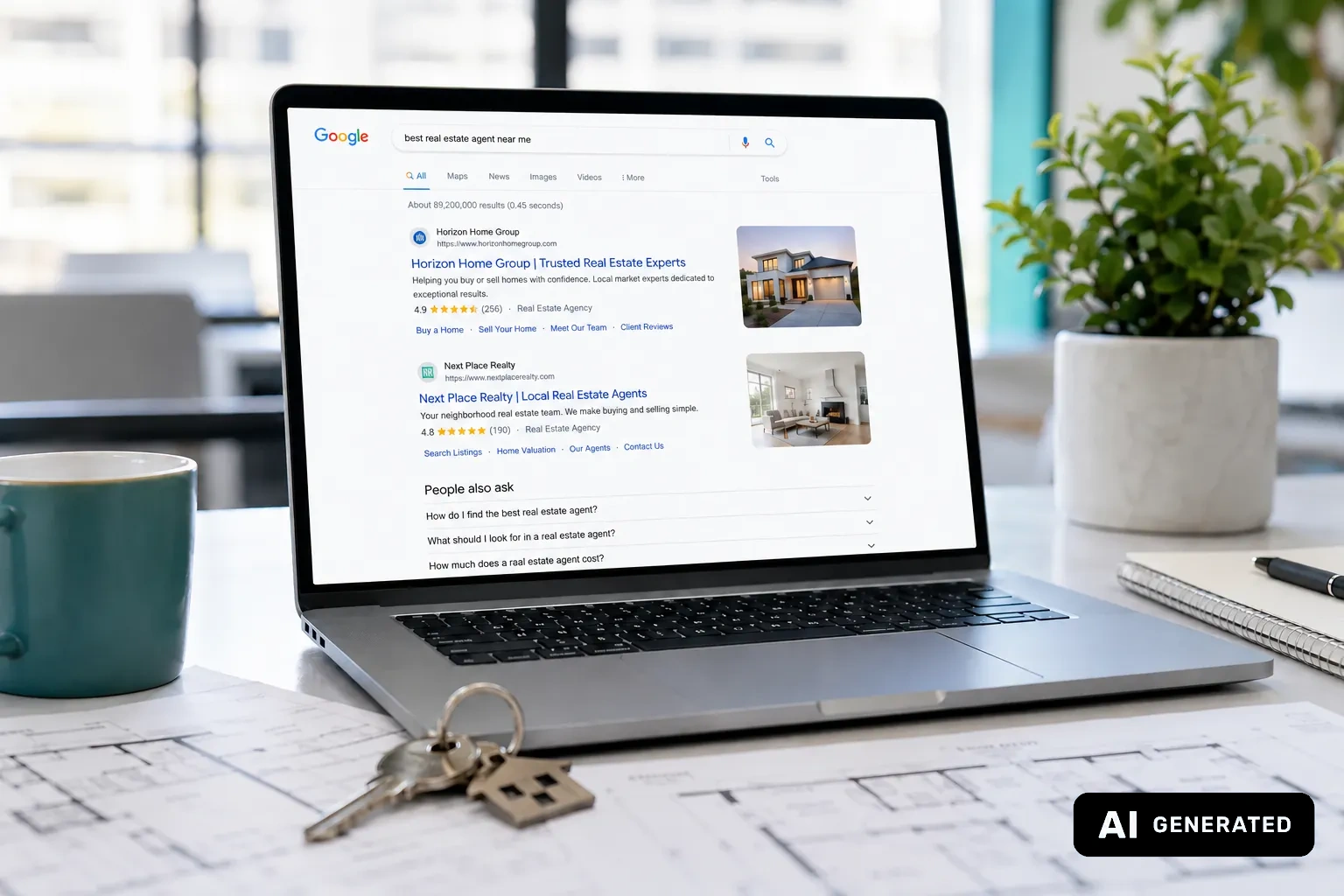
Search engine optimization (SEO) is a cornerstone of affordable marketing strategies for small businesses. By optimizing your website to appear higher in search engine results, you can attract more organic traffic—meaning visitors who find you naturally, without paid ads. This cost-effective marketing strategy ensures your business is visible to people actively searching for your products or services, making it highly targeted and efficient.
If you’ve ever wondered Why is my marketing not working, implementing SEO can be a game-changer by helping you identify and address gaps in your current approach.
To implement SEO, start by researching relevant keywords your customers use, then naturally incorporate them into your website’s content, page titles, and meta descriptions. Make sure your site loads quickly, is mobile-friendly, and has clear navigation. Regularly publish valuable, keyword-rich content like blog posts or FAQs to keep your site fresh. Small businesses with limited budgets can also use free or low-cost tools to analyze performance and identify areas for improvement.
SEO is ideal for any small business looking to increase visibility without breaking the bank. Over time, this affordable marketing strategy can drive consistent, high-quality leads and help you compete with larger brands online.
Pro Tip:
- Focus on local SEO by including your city or region in keywords if you serve a specific area.
- Regularly update your Google Business Profile to boost local search rankings.

Maximize Your Google Business Profile for Local Visibility
Optimizing your Google Business Profile is one of the most affordable marketing strategies for small businesses aiming to boost their local presence. This free, cost-effective marketing strategy helps your business appear in local search results and Google Maps, making it easier for nearby customers to find and contact you. A well-maintained profile builds trust, showcases your offerings, and encourages more inquiries—all without breaking the bank.
To implement this strategy, start by claiming or verifying your Google Business Profile. Next, fill out every section: add accurate business details, list your services, upload high-quality photos, update your opening hours, and post regular updates or offers. Encourage satisfied customers to leave positive reviews, and respond promptly to all feedback. This ongoing attention signals to Google (and potential customers) that your business is active and reliable.
This cost-effective marketing strategy is perfect for local retailers, service providers, and any business targeting a specific geographic area. The expected benefits include increased local search visibility, higher trust from customers, and a steady flow of inquiries—all for little to no cost.
Pro Tip:
- Regularly update your photos and posts to keep your profile fresh and engaging.
- Use keywords relevant to your services and location in your business description to improve search rankings.

Leverage Content Marketing with Blogging and Video
Content marketing—especially through blogging and video creation—is one of the most cost-effective marketing strategies for small businesses. By consistently publishing helpful blog posts and engaging videos, you can build trust, demonstrate expertise, and attract more potential customers. Blogging helps answer common customer questions and improves your website’s visibility in search engines, while video content on platforms like YouTube and TikTok can capture attention and drive traffic to your business.
To implement this affordable marketing strategy, start by identifying the questions your customers frequently ask. Create a content calendar with topics that address these needs, then write blog posts or record short, informative videos. Share your content on your website and social media channels to maximize reach. This approach works especially well for service-based businesses, local shops, and startups looking to establish credibility without a large advertising budget.
The benefits? You’ll boost your online presence, attract organic traffic, and position your business as a go-to resource—all without breaking the bank.
Pro Tip:
- Repurpose blog posts into video scripts or vice versa to maximize your content output.
- Use free tools like Canva for graphics and basic video editing software to keep production costs low.

Launch a Customer Referral Program
A customer referral program is a cost-effective marketing strategy that taps into the power of word-of-mouth. By encouraging your satisfied customers to recommend your business to friends and family, you can organically expand your customer base without a hefty advertising budget. Referral programs are especially effective because people trust recommendations from those they know, making this one of the most affordable marketing strategies for small businesses looking to build credibility and attract high-quality leads.
To implement a referral program, start by deciding what incentives to offer—these could be discounts, credits, or small gifts for both the referrer and the referred customer. For example, an interior designer might provide a $200 credit to both the referring client and the new customer. Next, promote your program through email, social media, and in-person conversations. Make it easy for customers to participate by providing referral cards or simple online forms.
This cost-effective marketing strategy is ideal for service-based businesses, local retailers, and anyone with a loyal customer base. The expected benefits include increased word-of-mouth referrals, stronger customer loyalty, and a steady stream of new clients—all at a fraction of the cost of traditional advertising.
Pro Tip:
Keep the referral process simple and trackable, and always thank your customers for their referrals to encourage ongoing participation.

Build Partnerships with Local Businesses
Teaming up with other local businesses is one of the most affordable marketing strategies for small businesses looking to expand their reach without breaking the bank. By collaborating with nearby companies, you can share resources, cross-promote each other’s products or services, and even run joint marketing campaigns. This cost-effective marketing strategy helps you tap into each other’s customer bases, build credibility, and strengthen your presence within the local community.
To get started, identify complementary businesses in your area—think coffee shops partnering with bookstores, or gyms working with healthy cafes. Reach out to owners, attend local networking events, and join community forums to introduce yourself and discuss potential collaboration ideas. You might co-host an event, bundle services, or simply display each other’s flyers at your locations. This approach is ideal for small business owners aiming to grow their audience locally and create win-win opportunities.
The benefits? Increased exposure, new customers, and stronger community ties—all without a hefty marketing budget.
Pro Tip:
- Look for businesses that share your target audience but aren’t direct competitors.
- Start small with simple cross-promotions before moving on to larger joint initiatives.

Launch Budget-Friendly Paid Ad Campaigns
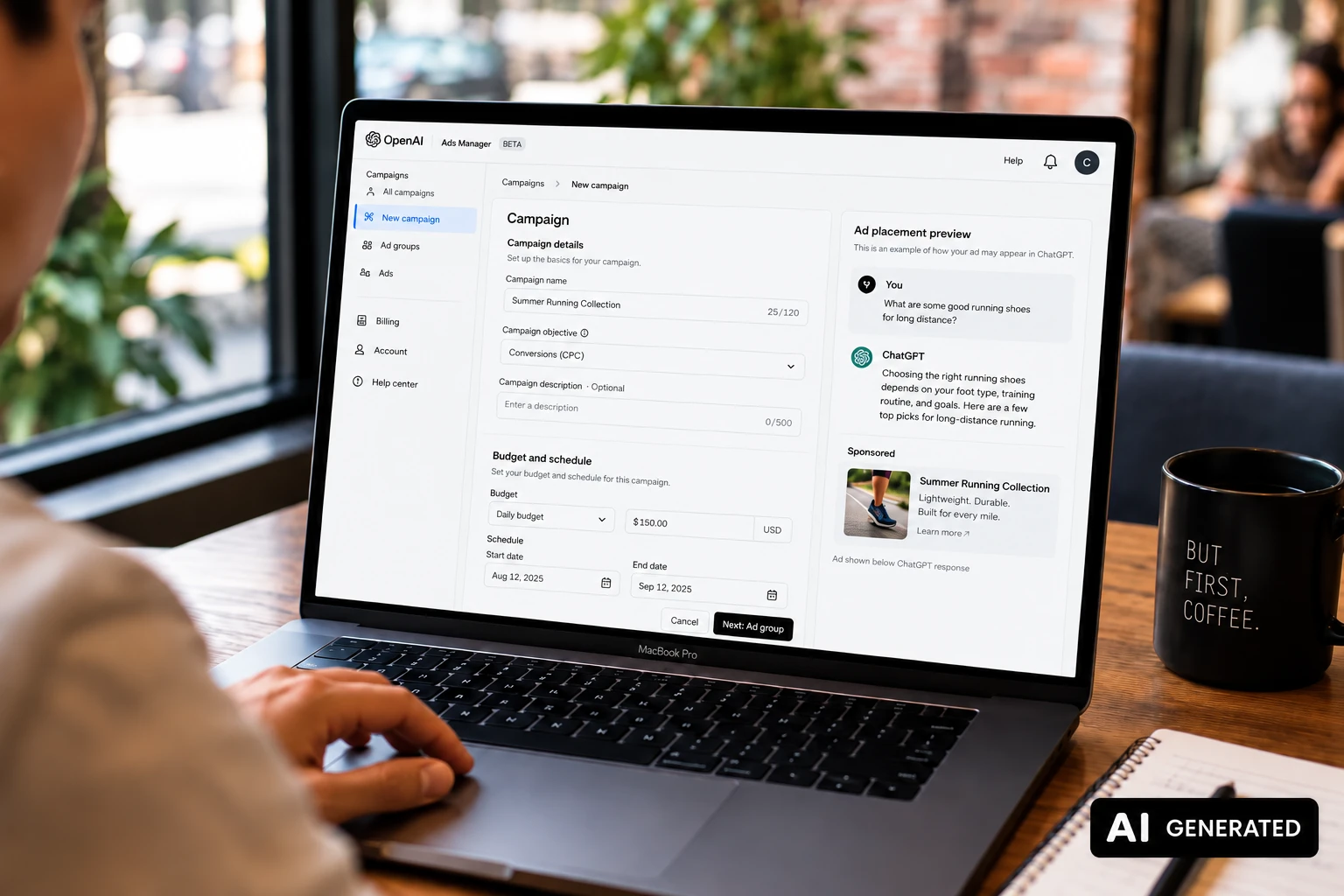
Low-cost paid ads are a game-changer for small businesses looking for affordable marketing strategies that deliver measurable results. Platforms like Google Ads and Facebook Ads make it easy to run highly targeted campaigns—even with a modest budget. By setting daily spending limits, you maintain full control over costs while ensuring your ads reach the right audience based on location, interests, and demographics.
To implement this cost-effective marketing strategy, start by identifying your target audience and crafting a clear message. Set a small daily budget and launch a test campaign, experimenting with different ad creatives and audience segments. Monitor performance closely, adjusting your targeting and messaging to see what works best. This iterative approach helps you maximize your return on investment without overspending. For more tips on improving digital marketing ROI, explore proven strategies that can help you get the most out of your ad spend.
This strategy is ideal for small businesses, startups, and local service providers who want to increase brand awareness or drive specific actions like website visits or sales. With the right setup, you can enjoy increased visibility, more leads, and better engagement—all while keeping your marketing spend in check.
Pro Tip:
- Use A/B testing to compare different ad versions and see which performs best.
- Start with retargeting ads to re-engage website visitors—these often convert at a lower cost.

Launch a Customer Loyalty Program
A customer loyalty program is a cost-effective marketing strategy that rewards your existing customers for repeat business. By offering incentives—like discounts, points, or freebies—small businesses can increase customer retention and boost repeat sales. Loyalty programs are especially powerful because it’s generally more affordable to keep current customers than to acquire new ones. Plus, customers are more likely to stick with brands that recognize and reward their loyalty.
To implement this affordable marketing strategy, start by choosing a simple system that fits your business. For brick-and-mortar stores, punch cards or stamp cards work well. If you have more resources, consider affordable loyalty software that tracks points digitally. Clearly communicate the program’s benefits to your customers at checkout, on receipts, and through email or social media. Track participation and adjust rewards to keep the program engaging.
This cost-effective marketing strategy is ideal for retail shops, cafes, salons, and service-based businesses looking to build long-term relationships with their customers. The expected benefits include higher customer retention, increased word-of-mouth referrals, and a steady boost in repeat sales—all without a hefty marketing budget.
Pro Tip:
Keep your loyalty program simple and easy to understand. Offer rewards that genuinely motivate your customers, and regularly promote the program across your marketing channels to maximize participation.

Boost Visibility Through Community Involvement
Getting involved in your local community is a powerful and affordable marketing strategy for small businesses. By sponsoring local events, participating in charity drives, or joining organizations like the Chamber of Commerce, you show that your business genuinely cares about the people it serves. This not only increases your brand’s visibility but also builds trust and credibility—two key factors that influence customer loyalty and word-of-mouth referrals.
To implement this cost-effective marketing strategy, start by identifying local events or causes that align with your brand values. Reach out to organizers about sponsorship opportunities or volunteer your team’s time for community projects. Don’t forget to document your involvement with photos or stories and share them on your social media channels—this amplifies your reach and showcases your business’s commitment to giving back. Community involvement is ideal for small businesses looking to strengthen local ties, improve brand perception, and foster lasting relationships with customers.
Pro Tip:
Highlight your community efforts on your website and in newsletters to further boost your reputation and attract like-minded customers. Consistency is key—regular participation will maximize the long-term benefits of this affordable marketing strategy.
Conclusion
In conclusion, implementing affordable marketing strategies is not just about saving money; it’s about making smart investments that yield significant returns for your small business. By focusing on cost-effective marketing strategies that leverage digital platforms, community engagement, and creative resourcefulness, you can build a strong brand presence and attract new customers without breaking the bank. Remember, consistency and adaptation are key – continuously monitor your results and adjust your approach as needed to maximize your impact.
Looking ahead, the landscape of affordable marketing strategies will continue to evolve, with new technologies and platforms emerging. Staying agile and embracing innovation will be crucial for small businesses looking to maintain a competitive edge. To delve deeper into effective marketing solutions and discover how to elevate your brand, explore more insights from our team of experts at affordable marketing agency.
Note: This blog’s images are sourced from Freepik.